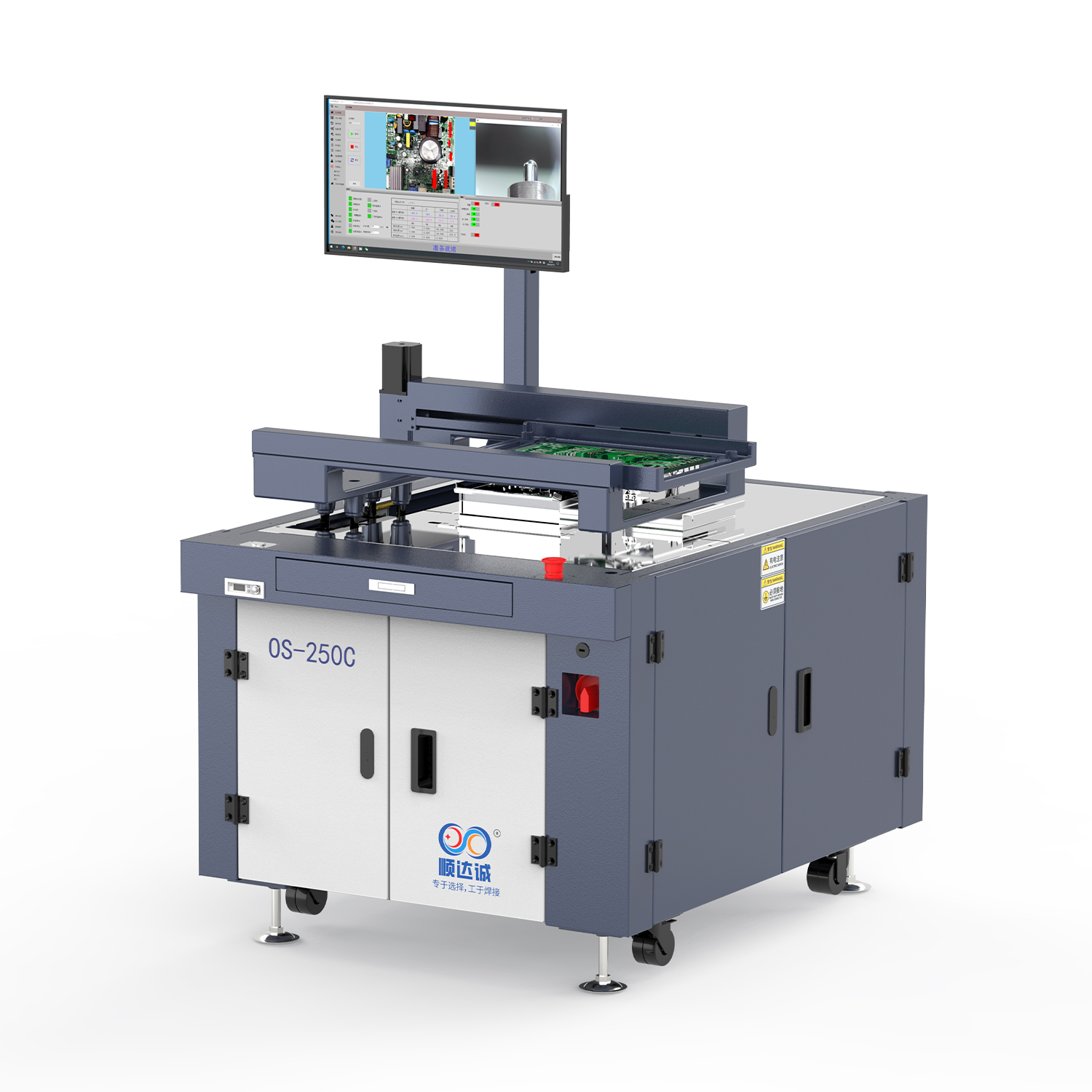
Selective Wave Soldering in LED Lighting Manufacturing
Commercial LED lighting manufacturing sits at a difficult intersection between high-volume production demands and complex thermal management requirements. Manufacturing engineers constantly face a conflict: the need for rapid throughput to meet aggressive market price points versus the physical limitations of soldering sensitive components onto heat-dissipating substrates.
READ MORE
Key Benefits of Selective Wave Soldering Machines
Modern electronics manufacturing faces a paradox. While Surface Mount Technology (SMT) dominates the industry, critical components like heavy connectors and transformers still require Through-Hole Technology (THT) for mechanical strength. Using manual labor to solder these joints often leads to inconsistency and quality risks.
READ MORE
Selective Wave Soldering for Automotive Electronics
The landscape of automotive PCB assembly is undergoing a seismic shift. As the industry races toward electrification and autonomous driving, the density of Electronic Control Units (ECUs) has skyrocketed. Traditional manufacturing methods are struggling to keep pace. Standard wave soldering, once the workhorse of the industry, often fails to meet the strict demands of modern designs driven by ISO 26262 safety standards.
READ MORE
How to Choose a Selective Wave Soldering Machine
The electronics manufacturing landscape is shifting rapidly. Standard wave soldering, once the backbone of through-hole assembly, is losing dominance due to increasing board density and the prevalence of double-sided reflow requirements.
READ MORE
Best Selective Wave Soldering Machines For Beginners
What if one machine could improve solder quality and reduce defects at the same time? Many manufacturers are already moving in this direction. A selective wave soldering machine offers precise control, making it ideal for modern PCB assembly, especially for mixed-technology boards. For beginners, the challenge is not the technology itself, but choosing the right equipment. You may worry about setup difficulty, cost, or whether the machine can deliver stable results every time. These concerns matter, since production quality depends on consistency.
READ MORE
Top Benefits Of Selective Wave Soldering Technology
What if one small process change could improve both quality and efficiency? Many manufacturers face this exact challenge today. PCB designs grow more complex, while reliability standards keep rising. Traditional soldering methods often fail to keep up, especially when heat control becomes critical. This is where the selective wave soldering machine makes a real difference. It targets only the joints that need soldering. It avoids unnecessary heat exposure and protects sensitive components. This approach helps reduce defects and improve consistency across production.
READ MORE
Top 10 Selective Soldering Machines For 2026
What happens when precision fails in modern PCB assembly? Even small soldering errors can lead to costly defects or product failures. In 2026, manufacturers face tighter tolerances and more complex board designs than ever before. This is where a selective wave soldering machine becomes essential. It targets only specific solder points, reduces heat impact, and improves joint consistency. Compared to traditional methods, it offers better control for mixed-technology boards.
READ MORE
Essential Guide To Selective Soldering Process Control
What makes a solder joint truly reliable in complex PCB assembly? As boards become smaller and more advanced, traditional methods often fall short. Selective soldering has emerged as a precise solution, targeting only specific joints while protecting sensitive components. It allows manufacturers to handle dense, mixed-technology designs without risking thermal damage.
READ MORE