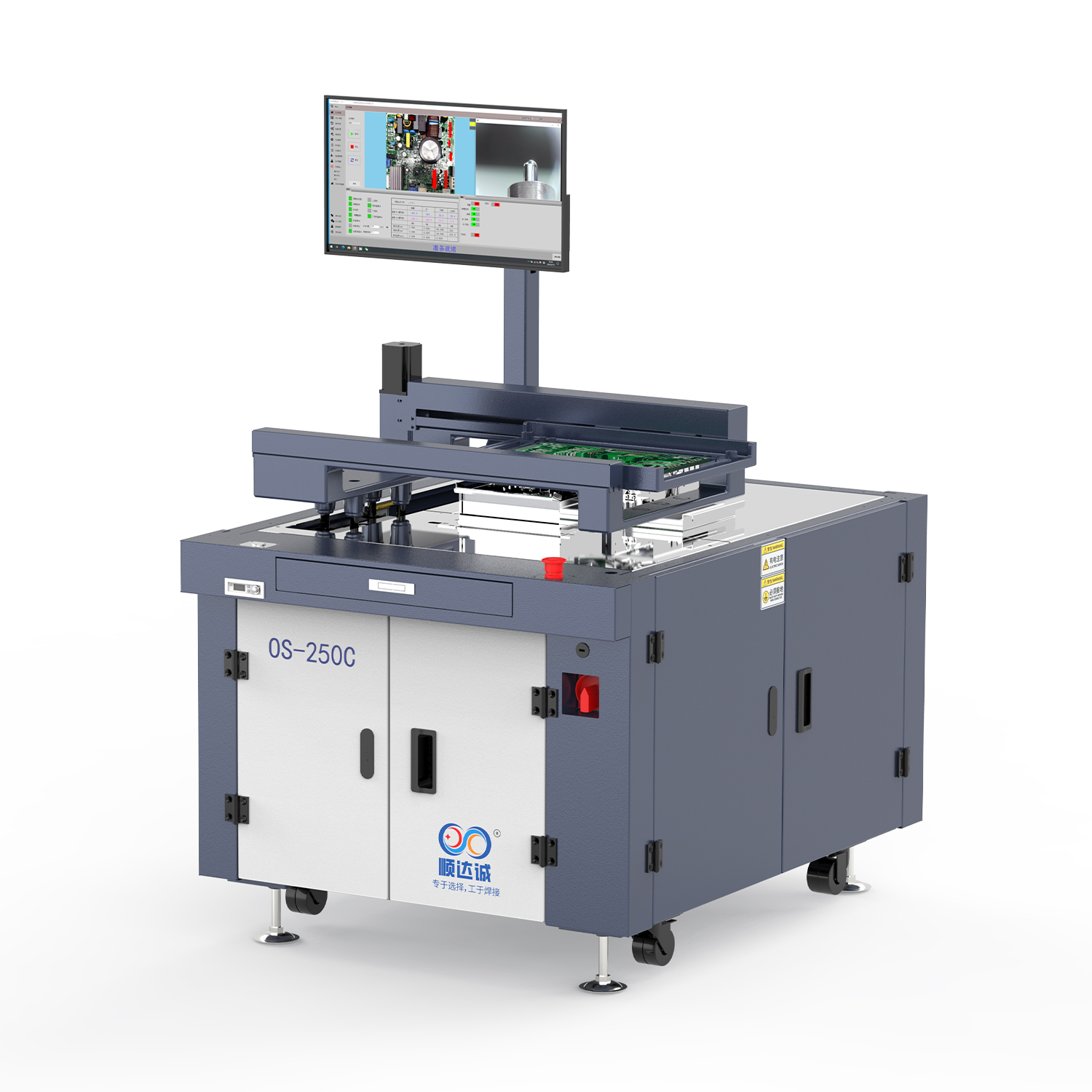
The conflict between increasing PCB density and the continued need for reliable through-hole (THT) components presents a significant modern assembly challenge. As surface mount technology (SMT) allows for smaller, more powerful devices, engineers still rely on THT parts for power and industrial applications, creating complex mixed-technology boards. While traditional methods served mass production well for decades, they now struggle to accommodate double-sided boards without risking thermal shock or requiring expensive masking.
Modern electronics manufacturing faces a critical paradox. Printed Circuit Boards (PCBs) are becoming denser with mixed technologies, combining Surface Mount Technology (SMT) and Through-Hole Technology (THT) on single boards. This complexity makes traditional full-wave soldering risky due to thermal shock and bridging, yet production targets still demand high throughput. Manufacturers often feel stuck between the speed of wave soldering and the precision of manual labor.
The world of PCBA manufacturing is changing fast. With the shift from mass production to high-mix, low-volume (HMLV) runs, traditional soldering methods often fall short. Manufacturers face a tough choice: either rely on costly, inflexible wave soldering pallets for double-sided boards or endure the slow and inconsistent quality of manual hand soldering.
In the modern electronics manufacturing industry, efficiency, precision, and flexibility are key drivers of success. Manufacturers are constantly seeking ways to streamline production processes while maintaining high-quality output.