

- HomeProducts
-

How To Choose The Right Selective Wave Soldering Machine for Small-Batch PCB Production
Views: 0 Author: Site Editor Publish Time: 2026-06-17 Origin: Site


Small batches can expose big process problems. One wrong machine may slow every changeover. A Selective Wave Soldering Machine helps solve this challenge. It solders only needed through-hole points. In this article, you will learn how to choose a machine for flexible, reliable, and cost-smart PCB production.
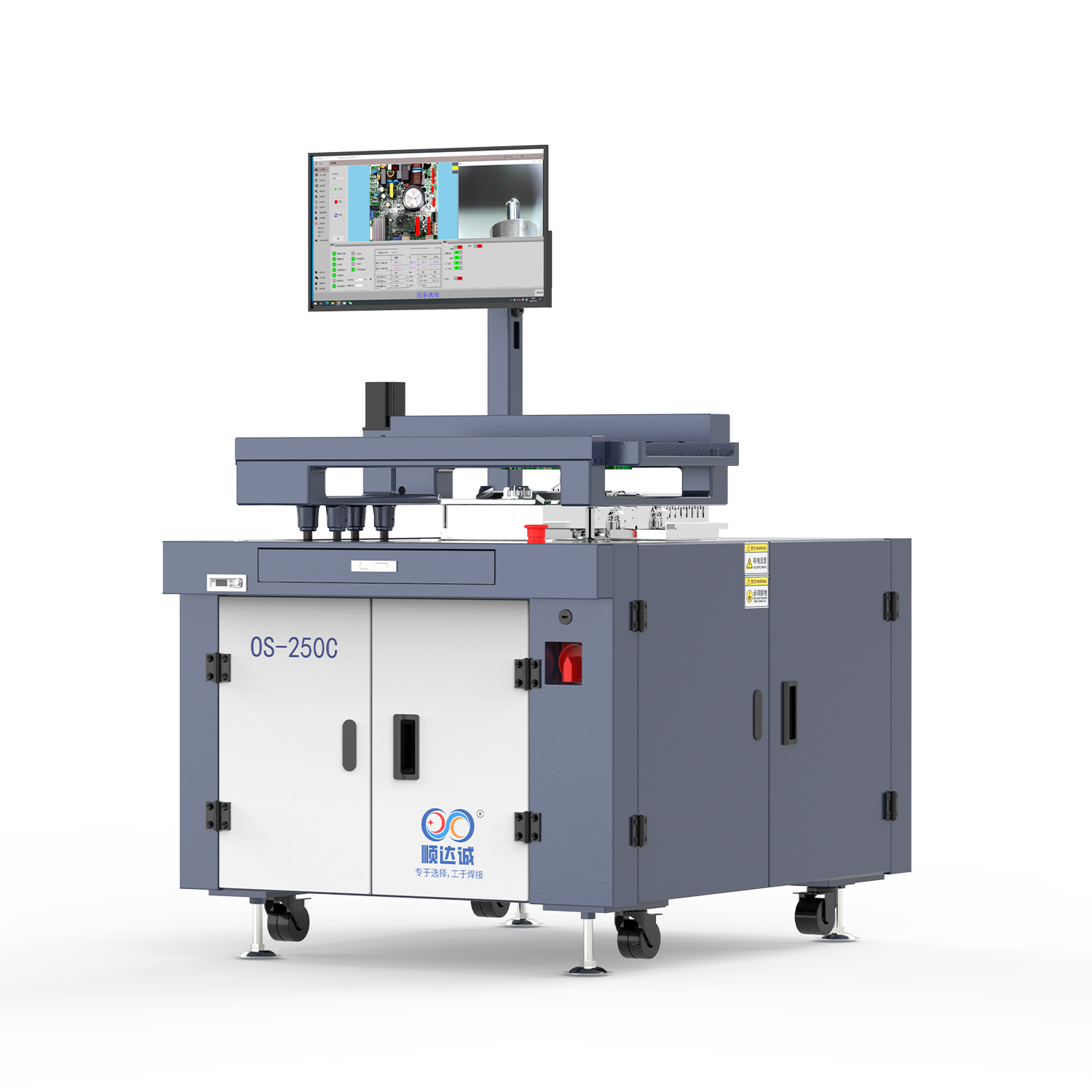
Key Takeaways
● A Selective Wave Soldering Machine for small-batch PCB production should support fast changeover, easy programming, and stable soldering quality.
● Offline systems often fit prototypes, NPI work, engineering proofing, and high-mix production.
● Compact inline systems make sense when production needs better flow, automated transport, and line integration.
● PCB size, component clearance, board weight, and process edge should be checked before purchase.
● Fluxing, preheating, soldering accuracy, and nitrogen protection all affect solder joint quality.
● A low price is not enough. Buyers should calculate rework cost, labor time, energy use, flux use, solder waste, and maintenance.
● Recipe saving, per-joint parameter control, alarms, PCB counting, and operator training can reduce daily production risk.
● The best choice is not always the largest machine. It is the one that fits your real batch size, board mix, and growth plan.
Start by Defining Your Small-Batch PCB Production Needs
Small-batch PCB production rarely means one simple board. It often means prototypes today, engineering changes tomorrow, and repeat orders next month. So, your first step is not comparing machine prices. It is defining how your production really works.
If your team mainly handles prototype verification or NPI runs, flexibility matters more than speed. You need a machine that supports quick setup, simple parameter editing, and easy trial production. Manual loading may be acceptable because the batch size is small. In this case, an offline Selective Wave Soldering Machine can be a practical choice.
If your team already has stable low-volume orders, the priority changes. You may need better repeatability, fewer operator steps, and smoother process flow. A compact inline system may be worth considering. It can connect better with nearby production processes and reduce handling time.
You should also review changeover frequency. A factory running ten board types per week has different needs from one running one board type per month. For frequent product changes, recipe storage is critical. It lets operators save process data and recall it later.
Tip:List your top five PCB products before comparing machines, then judge each option by the hardest board, not the easiest one.
Check the Core Selection Factors Before You Buy
The most important section of machine selection is the technical checklist. Small-batch buyers often focus on price first. That can lead to poor fit. A better approach is to check whether the machine can handle your boards, your process, and your operators.
PCB Size and Board Handling
Start with PCB size. Check the minimum and maximum board range. Also confirm board weight, process edge, fixture needs, and loading method. A machine may look suitable from the outside, but it may not support your smallest control board or your largest power board.
For small-batch production, wider PCB compatibility adds value. Your products may change fast. New customer projects may bring different layouts. If the machine only fits today’s board, it may limit tomorrow’s order.
Component Clearance
Component height is often missed during selection. Check both top-side and bottom-side clearance. This matters for double-sided PCBs, mixed SMT and through-hole boards, and assemblies with connectors, transformers, relays, or tall capacitors.
A Selective Wave Soldering Machine must reach the target joints safely. If nearby components block nozzle access, soldering quality will suffer. Ask the supplier to review real board drawings or samples before final selection.
Fluxing, Preheating, and Soldering Integration
For small-batch production, integrated process modules can reduce manual steps. A practical system should support selective flux spraying, stable preheating, and accurate soldering. These functions work together.
Flux prepares the joint area. Preheating reduces thermal shock. Soldering forms the final joint. If one stage is weak, the full process becomes unstable. For lead-free soldering, multilayer PCBs, or boards with large heat sinks, preheating is especially important.
Per-Joint Parameter Control
Not all solder joints need the same settings. One PCB may include small pins, large connectors, and high thermal mass terminals. A useful machine should allow different soldering height, speed, dwell time, and temperature settings.
This is a major reason selective soldering works well for small-batch production. It gives engineers more control without building a full custom line for every board.
Programming and Recipe Management
Small-batch production depends on fast programming. Look for simple path editing, visual programming, saved process files, and easy recipe recall. These features reduce setup time.
Recipe saving also supports repeat orders. When the same PCB returns after three months, the operator can open the old program instead of rebuilding it from memory.
Footprint and Utility Requirements
Many small-batch lines run in limited floor space. Some work inside pilot lines, engineering labs, or compact workshops. Check machine footprint, operating height, exhaust needs, power requirements, and maintenance access.
A compact machine may deliver more value than a larger one if space is tight. It can also be easier to place near inspection, rework, or test stations.
Support and Training
Even a capable machine can fail in daily use if operators cannot run it well. Check training, remote support, spare parts, and process guidance. Small teams need practical support, not only a product manual.
Note:For small teams, easy operation can be as valuable as advanced automation.
Compare Offline and Inline Machine Types
Offline and inline machines serve different production logic. Neither is always better. The right answer depends on workflow, volume, and changeover pattern.
An offline Selective Wave Soldering Machine often suits small-batch PCB production because it keeps the process flexible. Operators can load boards manually, test recipes, adjust parameters, and switch products without changing a full line. It is useful for NPI, prototype validation, engineering proofing, and multi-variety production.
A compact inline system fits a different need. It is useful when small batches become more regular. It can combine fluxing, preheating, soldering, and automated board transport in a more continuous process. It may reduce handling and improve consistency.
A high-throughput inline system is useful for larger production demand. However, it may be too much for early small-batch work. It can increase investment, floor space, maintenance needs, and setup effort. If capacity is not used, the return may be weak.
Production Need
Better Machine Direction
Main Reason
Prototype proofing
Offline system
Fast setup and flexible operation
NPI runs
Offline or economical system
Lower complexity and easier changes
Stable low-volume output
Compact inline system
Better flow and repeatability
Growing production line
Inline automated system
Easier process integration
High output demand
Multi-station inline system
Higher throughput potential
Evaluate Soldering Quality and Process Stability
Small-batch production still needs stable quality. In fact, quality risk may be higher because each batch can be different. A good machine should control soldering conditions instead of relying on operator skill alone.
Wave stability is one key factor. An unstable solder wave can cause bridging, poor wetting, insufficient solder, or icicles. For mixed boards, this risk grows because each joint may need different heat input.
Temperature control is another major factor. Lead-free soldering needs a tighter thermal window. Multilayer boards and large copper areas can pull heat away from joints. Stable solder temperature and proper preheating help improve wetting.
Flux control also affects cleanliness and reliability. Selective spray should apply flux only where needed. Too much flux can increase residue and cleaning work. Too little flux can cause poor wetting.
Nitrogen protection can help reduce oxidation and improve soldering conditions. It may also reduce dross around the solder pot and nozzle. Not every small-batch line needs it, but it can be valuable for lead-free soldering and high-reliability assemblies.
Tip:Ask for sample soldering on your own PCB before purchase. A demo board may not reveal your real process risk.
Match the Machine to Your PCB Design and Application
A Selective Wave Soldering Machine is most useful when the PCB has mixed assembly needs. Many modern boards combine SMT parts and through-hole components. Traditional wave soldering may expose too much of the board to heat. Selective soldering targets only required joints.
This matters for double-sided PCBs. If components already sit on the bottom side, full wave soldering can be difficult. Selective soldering can work around tall parts if nozzle access and clearance are correct.
It also helps product families with many board variants. A small-batch producer may build control boards, power boards, communication boards, and sensor modules in the same workshop. A flexible system can support different paths and recipes.
Application also matters. Automotive electronics, medical devices, communication equipment, industrial control products, and new energy products often need stable solder joints. These products may face vibration, heat, or long service life. For these uses, quality control should carry more weight than machine price alone.
Review Operation, Maintenance, and Daily Workflow
A machine must fit daily production. It should not only look strong in a brochure. Operators need to run it, clean it, maintain it, and change products without constant engineering help.
A clear control interface helps reduce training time. Operators should be able to set, save, and open PCB process parameters on the control screen. Alarms, system messages, and PCB counting can improve visibility.
Maintenance access is also important. Spray flux nozzles and soldering nozzles are common wear parts. They need cleaning or replacement. If access is difficult, small issues can stop production longer than expected.
Workflow should be tested before buying. Think about where the board enters, where it exits, where fixtures are stored, and where inspection happens. A compact machine still needs safe loading space, exhaust access, and room for maintenance.
For small-batch production, downtime between products matters more than maximum speed. A machine that solders fast but changes slowly may not improve total output.
Note:Changeover time includes programming, fixture setup, trial boards, inspection, and operator checks.
Calculate Total Cost, Not Only Machine Price
Purchase price is only one part of cost. Small-batch PCB production can lose money through rework, scrap, waiting time, and unstable quality. A better buying decision uses total cost.
Start with usage rate. If the machine will run only a few hours per day, a large automated system may not be practical. If it will support many repeat orders, a more automated system may pay back through labor savings.
Then check operating cost. Power use, flux use, solder oxidation, nitrogen use, nozzle wear, and maintenance all matter. A machine that controls flux accurately may reduce waste. Nitrogen protection may add gas cost, but it can improve process stability in demanding jobs.
Labor cost is also important. Manual loading reduces machine cost, but it needs operator time. Inline transport raises investment, but it can reduce handling. There is no universal answer. The right choice depends on batch size, labor cost, and production rhythm.
Finally, consider the cost of poor quality. One bad batch can create rework, late delivery, and customer complaints. For high-reliability products, the real cost may be much higher than the repair cost.
Buyer Checklist Before Final Selection
Before placing an order, prepare a clear checklist. It helps avoid emotional buying and keeps the discussion focused.
Checklist Item
What to Confirm
PCB range
Minimum size, maximum size, weight, edge, fixture needs
Component clearance
Top height, bottom height, nozzle access
Process modules
Fluxing, preheating, soldering, exhaust, nitrogen
Programming
Visual editing, recipe saving, parameter recall
Soldering control
Height, path, speed, dwell time, temperature
Production mode
Offline, compact inline, or automated inline
Operator needs
Training, interface, alarms, maintenance access
Support
Spare parts, remote help, process guidance
Cost
Machine price, labor, energy, consumables, rework
You should also ask direct questions. Can the machine handle our hardest PCB? Can parameters be set for each soldering point? Can recipes be saved? Can preheating be customized? What support is available after installation? Can the supplier test our real board?
A good supplier should answer these questions clearly. It should also help you match machine size, automation level, and process modules to your production needs.
Conclusion
Choosing the right Selective Wave Soldering Machine means matching flexibility, control, footprint, and cost to real PCB work. Dongguan Sundarc Automation Technology Co., Ltd. offers offline, compact inline, hooded, and automated solutions for varied production needs. Its equipment supports precision soldering, saved parameters, preheating, nitrogen options, and practical service, helping small-batch teams improve quality without overbuilding the line.
FAQS
Q: What is a Selective Wave Soldering Machine?
A: A Selective Wave Soldering Machine solders chosen through-hole points without heating the whole PCB.
Q: Which type suits small batches?
A: Offline systems suit prototypes, NPI, and frequent changes.
Q: Why choose compact inline equipment?
A: It improves flow when small batches become repeat production.
Q: Does machine price decide value?
A: No. Rework, labor, power, flux, and maintenance matter.
Q: What causes poor solder joints?
A: Weak preheating, poor flux control, wrong dwell time, or unstable wave height.


