

- HomeProducts
-

What Makes Flux Spraying High-efficiency for Selective Wave Soldering?
Views: 0 Author: Site Editor Publish Time: 2025-10-10 Origin: Site


Correct flux application is the foundation of every reliable solder joint. In selective soldering, precision and consistency matter even more, as each PCB area must receive just the right amount of flux for optimal wetting and minimal residue. At Dongguan Sundarc Automation Technology Co., Ltd., our selective wave soldering machine integrates advanced flux spraying systems designed to deliver high-efficiency, uniform, and controlled application — ensuring strong solder joints, reduced defects, and higher long-term production stability. By combining smart sensors, automated control, and optimized nozzle design, our system helps manufacturers achieve cleaner, faster, and more sustainable soldering processes with every run.
Flux Types and Why the Spray Method Matters
Flux plays multiple roles in the soldering process: it removes oxides, improves wetting, and protects the surface during soldering. However, not all fluxes behave the same way — and not all application methods treat them equally. In high-precision operations, the efficiency of flux spraying depends on understanding both the flux chemistry and the method of deposition.
No-clean fluxes, commonly used for sensitive assemblies like automotive and medical boards, require precise and even coverage to avoid residues that can interfere with electrical performance. Rosin-based fluxes, on the other hand, tend to be more forgiving but need a uniform spread to prevent bridging or insufficient soldering.
Traditional foam or wave fluxing methods can easily result in over-application, dripping, or uneven distribution, especially when working with complex PCB geometries. A flux spraying system atomizes the liquid into fine droplets, ensuring complete yet minimal coverage only where it’s needed. This targeted approach not only conserves flux material but also minimizes cleanup and post-soldering residue, directly contributing to the flux spraying high efficiency selective wave soldering process.
Additionally, efficient flux spraying improves line consistency by providing repeatable coverage across varying PCB designs. This level of precision minimizes rework and improves first-pass yield, which translates directly into higher throughput and lower operating costs. For high-mix production environments, the ability to fine-tune spray pressure, coverage area, and droplet size ensures flexibility without sacrificing quality.
Flux Spraying Systems: Spray, Drop-Jet, and Controlled Application
Modern selective soldering machines employ different fluxing technologies, each with its advantages. Spray fluxers are the most widely used due to their combination of precision and adaptability. By atomizing the flux into a fine mist and applying it through programmable nozzles, the machine ensures consistent coating on solder pads, even for densely populated or irregular PCBs.
Drop-jet fluxers, on the other hand, deliver tiny, controlled droplets directly to targeted pads. This method is excellent for micro-soldering or boards with narrow component spacing where even a thin film of excess flux can cause issues.
High-efficiency flux spraying systems also feature intelligent control mechanisms. Real-time monitoring ensures each droplet’s size and velocity remain within set parameters, while the flux volume management system maintains consistent pressure and viscosity. In advanced machines, sensors and software integrate seamlessly to adjust the spray pattern automatically, compensating for temperature or flux property changes.
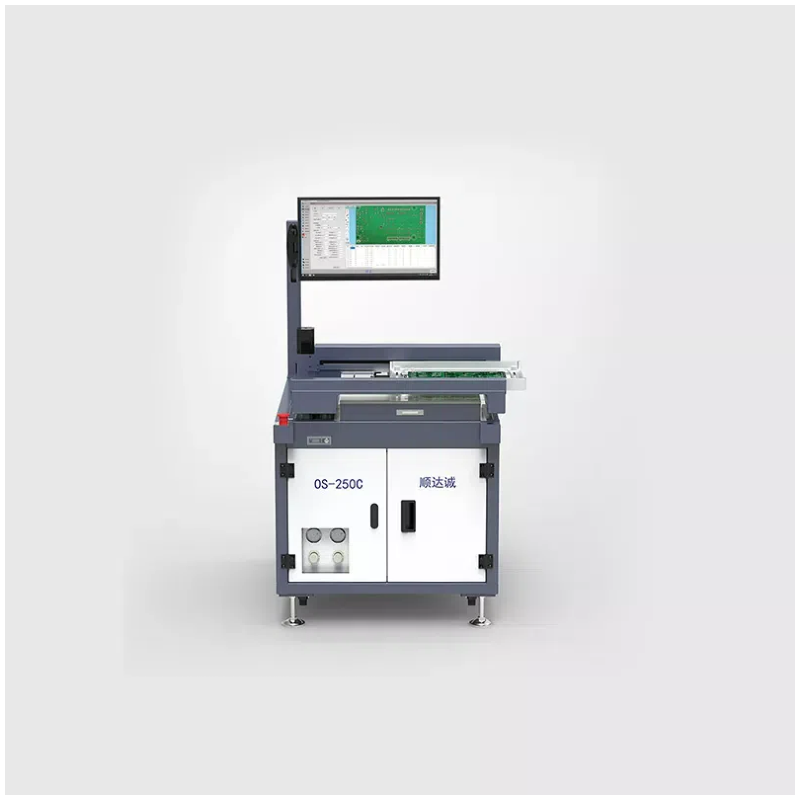
Sundarc’s selective wave soldering equipment offers flexible fluxing modules with adjustable spray widths and droplet control. Each fluxer is optimized for precision delivery, enabling repeatable, efficient soldering performance that meets high manufacturing standards. Furthermore, the closed-loop feedback design prevents over-spraying and supports automated recipe management — reducing human error and enhancing process reliability.
How Flux Spraying Impacts Yield in Sensitive Applications
In applications such as LED lighting, automotive electronics, and medical devices, the margin for error is extremely narrow. Components are small, heat-sensitive, and often assembled under strict cleanliness requirements. For these industries, flux spraying directly influences yield and product reliability.
A well-optimized flux application improves solder wetting, ensuring that solder adheres evenly and forms a stable joint without voids or bridging. This is especially critical in LED boards, where uneven soldering can cause brightness variations or thermal issues.
Residue control is another key benefit. By delivering only the required amount of flux, spray systems minimize excess that could lead to corrosion or contamination. The result is a cleaner board that often requires no additional washing, saving both time and resources.
Moreover, in automotive and medical electronics, where every joint undergoes visual and functional inspection, high-efficiency flux spraying reduces rework rates. This not only enhances throughput but also ensures consistent compliance with stringent quality standards.
Through precise and repeatable flux control, Sundarc’s selective wave soldering machine enhances process yield, especially in industries that demand the highest levels of solder joint reliability. When combined with stable preheating and precision wave management, the fluxing stage becomes a powerful contributor to long-term soldering performance.
Operator Checks and Automated Monitoring to Keep Flux Efficiency High
Even with a highly automated flux spraying system, routine monitoring is essential to sustain performance. High-efficiency systems are built with sensors that constantly check the health of the flux supply and spray mechanism.
Operators should monitor flux tank levels and ensure the mixture maintains its proper concentration. Nozzle clogging — a common issue in spray systems — can be prevented through regular cleaning cycles and automated clog detection functions. Advanced systems can even alert operators to pressure fluctuations or flow inconsistencies that may affect the spray pattern.
Flux flow sensors track the actual quantity delivered per cycle, helping ensure the system maintains repeatable flux volumes. Combined with scheduled maintenance and calibration, these measures preserve both the consistency and energy efficiency of the soldering process.
Sundarc integrates these controls directly into its process software, allowing real-time display of flux usage and nozzle performance. This approach not only ensures continuous process stability but also provides traceability — a critical factor for QA and audit compliance in high-end manufacturing environments. The result is a production process that remains both efficient and transparent from start to finish.
Specification Checklist for Buying a High-Efficiency Fluxer
When selecting a fluxing system, buyers should evaluate several technical parameters that determine performance and flexibility.
Flux Type Compatibility: Ensure the fluxer supports both no-clean and rosin-based fluxes without needing frequent hardware changes.
Droplet and Spray Control: Systems that can adjust droplet size, flow rate, and spray width offer superior adaptability to various PCB layouts.
Sensor Feedback: Real-time monitoring for spray pressure, flow consistency, and nozzle health prevents flux waste and production downtime.
Flux Volume Management: Automatic viscosity control and closed-loop feedback maintain consistent flux behavior throughout the production cycle.
Integration with Recipe System: A machine that synchronizes fluxing parameters with soldering profiles improves repeatability and simplifies process optimization.
Maintenance and Accessibility: Easy-to-clean nozzles, modular assemblies, and user-friendly software interfaces reduce downtime and ensure consistent flux quality.
A high-efficiency fluxer is not just about precision — it’s about ensuring every PCB receives the right flux coverage, at the right place, at the right time. In the competitive electronics manufacturing environment, these details define productivity and long-term reliability.
Conclusion
Flux spraying efficiency is a defining factor in modern selective soldering. By combining intelligent spray control, precise droplet management, and automated monitoring, manufacturers can dramatically improve soldering consistency while reducing defects and material waste. Dongguan Sundarc Automation Technology Co., Ltd. continues to innovate in this area, offering advanced systems that make selective wave soldering machines more precise, efficient, and reliable for global manufacturers.
To see our high-efficiency selective wave soldering system in action, contact us today or schedule a live demo. Let’s optimize your soldering line for higher yields, lower maintenance, and consistent quality across every production run.


