

- HomeProducts
-
How Fast Can You Change A Line with Selective Wave Soldering?
Views: 0 Author: Site Editor Publish Time: 2025-10-10 Origin: Site


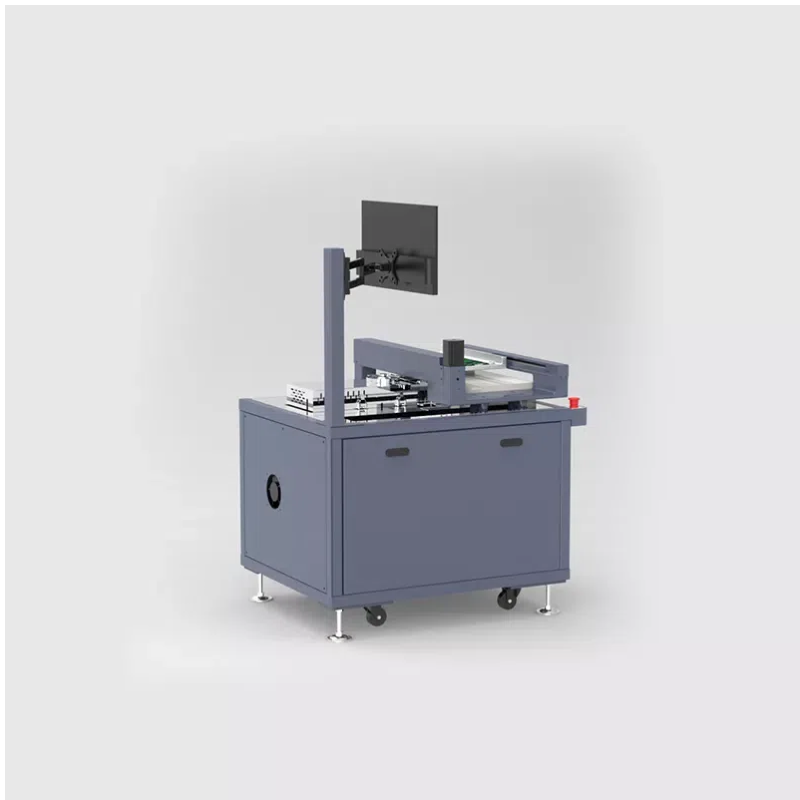
In modern electronics manufacturing, every minute of downtime is lost productivity. When production switches from one PCB type to another, long changeover times can significantly reduce output. That’s where Selective Wave Soldering Machine technology makes a difference. At Dongguan Sundarc Automation Technology Co., Ltd., we design our systems to minimize transition time between product runs through smart engineering and workflow optimization. This article explores how fast line change soldering can be achieved — from machine design to on-floor practices — to help production planners and supervisors cut downtime without compromising quality.
Typical Causes of Long Changeovers on Solder Lines
Line changeovers in soldering environments often seem routine, but they consume valuable time for several reasons.
One major cause is fixture replacement. Different PCBs often require unique support fixtures to ensure stability and precise solder contact. Manually changing and securing these fixtures slows operators down, especially when alignment must be double-checked.
Next are nozzle swaps. A nozzle designed for one board’s component spacing may not suit another’s. Operators might need to remove and install different nozzle types, then recalibrate the solder height and flow parameters.
Another bottleneck lies in program reloading and verification runs. When switching from one product to another, operators must load new soldering programs, adjust preheating profiles, and test flux application. Without efficient software tools, reprogramming can eat up several minutes or more.
Finally, first-piece verification can further delay production. Quality control requires confirming that solder joints meet standards before ramping up to full output. While necessary, this step adds more downtime if the system lacks automated verification or quick recovery from trial runs.
Machine Design Features That Enable Fast Line Change
Machine design is the foundation of fast line change soldering. A well-engineered selective soldering system can reduce transition time from several minutes to just seconds.
Offline programming is one of the most impactful features. Instead of halting production to set up the next job, engineers can prepare soldering parameters and paths on a separate workstation. When the new board is ready, the completed recipe can be loaded instantly into the Selective Wave Soldering Machine, minimizing interruption.
Equally important is drag-and-drop recipe import. This feature allows quick access to pre-stored soldering profiles without manual data entry. Operators simply select the new file, verify parameters, and start production immediately.
Mechanical design also plays a crucial role. Quick-lock fixtures allow operators to swap out board holders with a single motion, eliminating time-consuming screw tightening. Some high-end models also feature modular nozzle racks — operators can prepare multiple nozzle sets in advance and switch them within seconds.
To complement this, automatic nozzle detection helps prevent setup errors. The machine identifies the installed nozzle type, adjusts solder flow settings, and ensures compatibility before production begins. This built-in verification reduces trial runs and waste, ensuring a smooth transition from one product to the next.
Sundarc’s equipment integrates all these design advantages, combining software convenience with mechanical precision to deliver rapid changeover performance ideal for multi-variety manufacturing lines.
Shop-Floor Workflows That Shave Minutes off Changeovers
Even the most advanced selective soldering system can only perform as efficiently as the workflow surrounding it. Establishing disciplined, consistent processes across shifts is key to unlocking the full potential of fast line change soldering.
Start with standard operating procedures (SOPs). Documenting every step of the changeover — from fixture release to program loading — ensures operators follow an optimized sequence. This reduces hesitation and errors that cause delays.
Pre-staging fixtures and nozzles is another simple but powerful tactic. When upcoming production runs are planned in advance, operators can have the required tools, materials, and recipes ready before the current batch ends. The next setup becomes almost seamless.
Implementing a checklist handover system between shifts is equally valuable. When one team finishes its run, it can document the current machine status, remaining materials, and any pending maintenance. The incoming team can pick up immediately without backtracking or searching for information.
Training also plays a major role. Skilled operators who understand the logic of the machine, rather than just the procedure, can spot efficiency gaps and suggest practical improvements. At Sundarc, we provide clients with workflow guidance and operator training tailored to their production environment, ensuring our machines deliver consistent speed and reliability.
What to Watch for in a Live Demo
If you’re evaluating selective soldering systems for your factory, a live demonstration is the best way to judge how efficiently the equipment handles changeovers.
During the demo, time each step of the transition. Note how long fixture changes, nozzle swaps, and software reloads take. Efficient systems will keep total changeover within a few minutes or less.
Ask the vendor to demonstrate program import and recipe switching. Watch whether the system requires manual re-entry of parameters or if it supports one-click loading. This function reveals how ready the machine is for real-world, high-mix production.
Observe the nozzle change process carefully. A modern system should allow quick mechanical release and automatic detection of the new nozzle type without extra calibration.
Lastly, evaluate repeatability. After the changeover, the first few boards should match production quality immediately — not after multiple trial runs. Reliable performance here signals both precise engineering and smart software integration.
Sundarc encourages every potential buyer to attend a live demo. Seeing our machines perform under real operating conditions provides clear proof of their efficiency and reliability.
Example: Creating a “Changeover Playbook” for Operators
A structured “changeover playbook” helps teams replicate fast line changes consistently across shifts and product types.
The playbook should start with pre-changeover preparation: ensuring the next program file, fixture, and nozzle are ready and verified before stopping the current job. Operators can use visual labels or digital scheduling tools to track readiness status.
Next, outline step-by-step changeover instructions. Define who is responsible for each action — for instance, one operator handles fixture swap while another loads the new soldering recipe. Dividing tasks reduces idle time and helps parallelize setup.
Include training checkpoints in the playbook. Regularly rehearse changeover routines with teams, using timed practice runs to improve coordination. Encourage operators to suggest small improvements that save seconds — these add up over hundreds of production cycles.
Finally, integrate verification procedures. Once the first product is soldered, operators follow a brief quality checklist to confirm flux coverage, solder height, and wetting consistency. If everything meets standards, production resumes immediately.
By establishing this playbook, manufacturers create a repeatable process that sustains productivity gains long after installation. Sundarc’s engineers often assist customers in designing such tailored routines to match their equipment configuration and product range.
Conclusion
In today’s high-mix electronics manufacturing, the ability to switch from one PCB to another quickly defines competitiveness. Fast line change soldering is no longer a luxury — it’s a requirement for staying efficient. With the Selective Wave Soldering Machine solutions from Dongguan Sundarc Automation Technology Co., Ltd., manufacturers can achieve minimal changeover times through intelligent design and disciplined workflows. Our equipment combines offline programming, quick-lock fixtures, and automatic nozzle detection to make transitions virtually seamless.
Experience the next level of production flexibility — explore our fast line change selective soldering solutions and contact us to schedule a live demo or technical consultation today.


