

- HomeProducts
-

Top Benefits Of Selective Wave Soldering Technology
Views: 0 Author: Site Editor Publish Time: 2026-03-23 Origin: Site


Introduction
What if one small process change could improve both quality and efficiency? Many manufacturers face this exact challenge today. PCB designs grow more complex, while reliability standards keep rising. Traditional soldering methods often fail to keep up, especially when heat control becomes critical. This is where the selective wave soldering machine makes a real difference. It targets only the joints that need soldering. It avoids unnecessary heat exposure and protects sensitive components. This approach helps reduce defects and improve consistency across production.
In this article, we will explore the top benefits of selective wave soldering technology. You will learn how it improves precision, supports complex assemblies, and increases overall production efficiency.
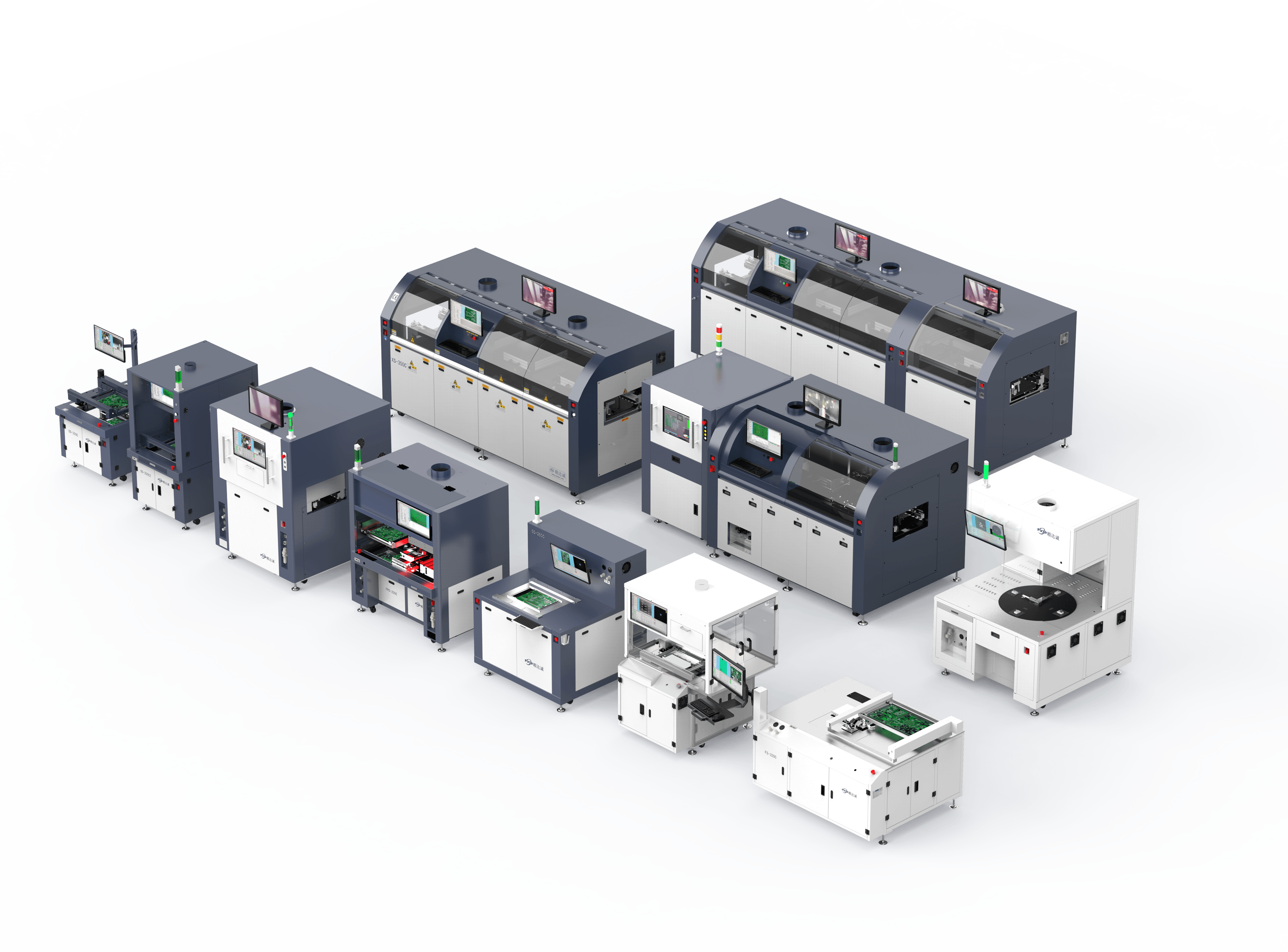
Why a Selective Wave Soldering Machine Delivers Superior Precision and Reliability
Localized soldering protects sensitive components
Selective wave soldering applies heat only where it is needed. This localized process avoids exposing the entire PCB to high temperatures, which is especially important for boards with heat-sensitive components or dense layouts. It reduces the risk of thermal stress, which can weaken components or cause long-term reliability issues.
In practice, this means manufacturers can safely solder through-hole components on boards that already contain delicate surface-mount devices. It also minimizes the chance of warping or damaging multilayer PCBs. Over time, this targeted approach contributes to longer product lifecycles and fewer field failures, making it a preferred solution for high-reliability industries.
Consistent solder joints enhance product durability
A selective wave soldering machine offers precise control over soldering parameters such as temperature, dwell time, and solder flow. This level of control ensures that each joint meets consistent quality standards, regardless of production volume.
Uniform solder joints are essential for mechanical strength and electrical conductivity. In sectors like automotive electronics or industrial control systems, even small inconsistencies can lead to performance issues. By maintaining stable process conditions, selective soldering ensures repeatability across batches, which helps manufacturers meet strict quality certifications and customer expectations.
Precision motion control improves soldering accuracy
Modern systems rely on advanced motion platforms that control nozzle movement across X, Y, and Z axes. This allows the solder wave to be applied exactly where it is required, even in complex PCB layouts with limited spacing.
Companies such as Sundarc have invested heavily in precision engineering to enhance this capability. Their systems ensure stable nozzle performance and accurate positioning, reducing the risk of disturbing nearby components. This level of accuracy is especially valuable when working with miniaturized electronics or high-density assemblies.
Reduced defects and rework through controlled processes
Defects often come from unstable processes. Selective soldering reduces this risk through controlled fluxing, heating, and solder delivery. Each step remains programmable and repeatable.
● Lower bridging risk improves joint clarity
● Stable heating prevents cold solder joints
● Controlled flux improves wetting behavior
Fewer defects mean fewer rework cycles. Production becomes more predictable and cost-efficient.
Tip: Start with a validated process window before scaling production. It helps stabilize yield early.
How Selective Wave Soldering Technology Supports Complex PCB Assemblies
Ideal for mixed SMT and through-hole applications
Modern PCB designs often combine multiple technologies on a single board. This creates challenges during soldering, especially when sensitive components need protection. Traditional wave soldering relies on masking, which increases both process complexity and cost. A selective wave soldering machine simplifies this by targeting only the required solder joints, making it a more efficient solution for hybrid assemblies.
Aspect
Traditional Wave Soldering
Selective Wave Soldering Machine
Soldering Method
Entire board exposed to solder wave
Only specific joints are soldered
Need for Masking
Required to protect sensitive areas
Not required due to precise targeting
Process Complexity
Higher due to additional masking steps
Simplified workflow
Cost Impact
Increased material and labor cost
Reduced operational cost
Suitability
Limited for mixed technology boards
Ideal for SMT + through-hole hybrid boards
Application Scenarios
Basic or less dense PCB designs
Automotive, telecom, consumer electronics
This targeted approach allows manufacturers to maintain high precision while simplifying production. It also supports complex hybrid boards without adding unnecessary process steps.
Capable of handling irregular and dense component layouts
As electronic devices become smaller and more powerful, PCB layouts grow increasingly complex. Components may vary in size, shape, and spacing, making traditional soldering methods less effective.
Selective soldering adapts easily to these challenges. It can handle irregular geometries and tightly packed designs without compromising quality. This flexibility allows manufacturers to innovate without being limited by assembly constraints, supporting the development of advanced electronic products.
Efficiency Gains with a Selective Wave Soldering Machine
Targeted soldering reduces unnecessary processing time
Unlike conventional methods that process the entire board, selective soldering focuses only on required areas. This reduces cycle time and eliminates unnecessary heating stages, leading to faster production throughput.
Shorter processing times also reduce energy consumption and improve overall equipment efficiency. For manufacturers operating high-volume lines, even small time savings per board can result in significant productivity gains over time.
Automation minimizes human error
Manual soldering introduces variability due to differences in operator skill and fatigue. A selective wave soldering machine automates critical steps, ensuring consistent performance across all production runs.
Automated systems follow programmed paths and parameters, reducing the likelihood of mistakes. This improves product quality while allowing operators to focus on monitoring and optimization rather than repetitive tasks.
Higher pass rates improve overall productivity
Improved precision leads to higher first-pass yield. Fewer defects mean fewer interruptions. Production lines run more smoothly.
Below is a comparison of performance impact:
Factor
Traditional Method
Selective Wave Soldering
Defect Rate
Higher variability
Consistently low
Labor Dependency
High
Reduced
Process Stability
Moderate
High
Throughput Efficiency
Limited
Optimized
This improvement allows manufacturers to maintain stable output over time. It also reduces downtime and helps teams meet delivery targets more reliably.
Cost Optimization Through Selective Wave Soldering Technology
In PCB manufacturing, cost control often depends on how efficiently each process step is managed. Traditional soldering methods introduce extra steps like masking, which increase both time and material usage. A selective wave soldering machine simplifies this process by focusing only on required solder joints, helping reduce unnecessary expenses and streamline production.
Cost Factor
Traditional Wave Soldering
Selective Wave Soldering Machine
Impact on Manufacturing
Masking Requirement
Mandatory to protect sensitive areas
Not required due to precise soldering
Saves materials and setup time
Material Consumption
Higher due to masking and excess flux
Reduced with targeted flux application
Minimizes waste and improves efficiency
Labor Involvement
More manual preparation steps
Simplified and automated process
Lowers labor costs
Preparation Time
Longer due to masking and setup
Shorter with direct soldering approach
Speeds up production cycles
Process Complexity
More steps and higher risk of errors
Streamlined workflow
Easier process control
Long-Term Cost
Higher operational expenses
Lower total cost over time
Better return on investment
Note: Reducing masking steps not only saves cost but also simplifies process planning and reduces production complexity.
Key Features of a Modern Selective Wave Soldering Machine
Intelligent flux application for optimized performance
Flux plays a critical role in ensuring proper solder wetting and joint formation. Modern machines use programmable jetting systems to apply flux precisely where needed.
This targeted approach improves soldering quality while reducing consumption. It also prevents contamination of surrounding areas, which can affect long-term reliability. By optimizing flux usage, manufacturers achieve better results with lower material costs.
Advanced preheating ensures thermal stability
Preheating prepares the PCB for soldering by bringing it to an optimal temperature. Advanced systems combine infrared heating and hot air to achieve uniform temperature distribution.
This reduces thermal shock and ensures consistent solder flow during the process. Stable preheating is essential for maintaining solder joint quality, especially in complex assemblies with varying component sizes and materials.
Dual soldering modules increase throughput
Some advanced machines feature dual solder pots, allowing simultaneous soldering operations. This design increases throughput without compromising precision.
By enabling parallel processing, manufacturers can handle higher production volumes more efficiently. This is particularly beneficial for facilities that need to scale output while maintaining consistent quality standards.
Integrated monitoring and control systems
Modern selective wave soldering machines include advanced control systems that support data import, real-time monitoring, and process visualization. Features such as CCD cameras allow operators to observe the soldering process and make adjustments when needed.
Manufacturers like Sundarc integrate user-friendly interfaces and intelligent monitoring tools into their equipment. These features improve usability and ensure consistent performance across different production environments.
Industry Applications Where Selective Wave Soldering Excels
High-reliability sectors demand precision
Industries such as automotive electronics, aerospace, military, and industrial instrumentation require highly reliable solder joints. Failures in these applications can lead to significant risks and costs.
Selective wave soldering provides the precision and consistency needed to meet these demands. Companies like Sundarc have developed solutions tailored to these sectors, supporting applications where quality and reliability are critical.
Flexible production for varying volumes
A selective wave soldering machine supports both small-batch production and high-volume manufacturing. Its programmable nature allows quick adjustments to accommodate different product designs and production requirements.
This flexibility is valuable in today’s fast-changing market, where manufacturers must respond quickly to new demands. Whether producing prototypes or scaling up for mass production, selective soldering provides a reliable and adaptable solution.
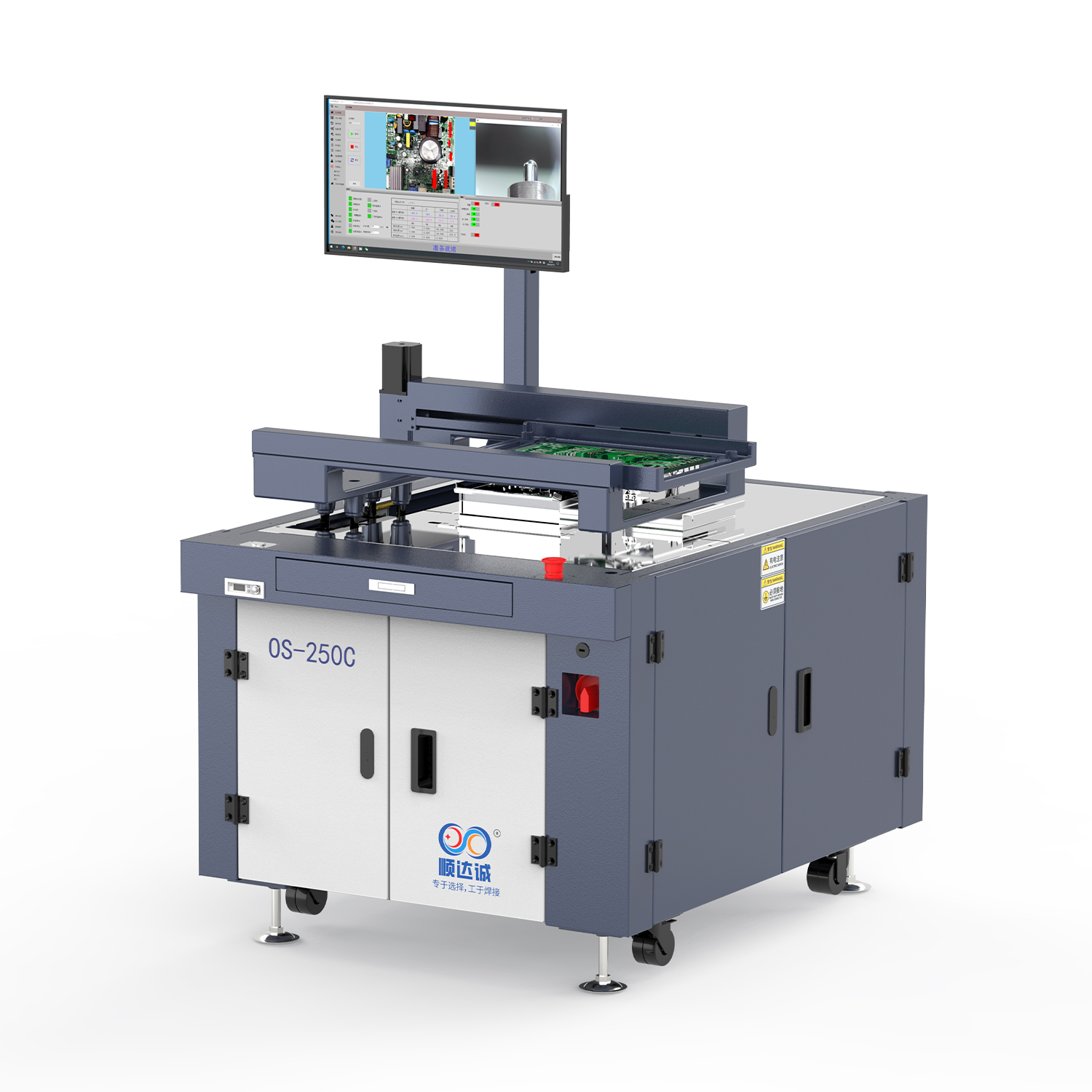
Conclusion
Selective wave soldering technology delivers strong value in modern electronics manufacturing. It improves precision, efficiency, and flexibility across complex PCB assemblies. By using a selective wave soldering machine, manufacturers achieve stable solder quality and reduce defect rates. It also protects sensitive components through localized heating, while automation improves consistency and reduces manual errors. This technology supports mixed SMT and through-hole designs, making it ideal for advanced products. It also lowers material waste and simplifies production processes, which helps control costs over time. As PCB designs continue to evolve, this method becomes essential for maintaining reliability and performance.
Companies such as Dongguan Sundarc Automation Technology Co., Ltd. provide advanced solutions in this field. Their equipment combines precise control, intelligent features, and flexible production capabilities, helping manufacturers improve output quality and long-term operational efficiency.
FAQ
Q: What is a selective wave soldering machine used for?
A: A selective wave soldering machine is used to solder specific areas of a PCB without heating the entire board. It is ideal for mixed SMT and through-hole assemblies where precision and component protection are critical.
Q: Why is a selective wave soldering machine better for complex PCBs?
A: It targets only required joints, which protects nearby components and supports dense layouts. This makes a selective wave soldering machine highly effective for complex and high-density PCB designs.
Q: How does a selective wave soldering machine improve product quality?
A: It offers precise control over temperature, flux, and solder flow. This ensures consistent solder joints, reduces defects, and improves overall product reliability.
Q: What are the cost benefits of using selective wave soldering technology?
A: It reduces material waste, eliminates masking, and lowers rework costs. Over time, these savings make the process more cost-efficient compared to traditional methods.
Q: Can a selective wave soldering machine handle both small and large production volumes?
A: Yes, it is highly flexible. A selective wave soldering machine can support both small-batch production and high-volume manufacturing without compromising quality.
Q: How does selective wave soldering compare to traditional wave soldering?
A: Selective soldering offers higher precision and better control. It reduces thermal stress and defects, while traditional methods process the entire board and may affect sensitive components.


