

- HomeProducts
-
Best Selective Wave Soldering Machines For Beginners
Views: 0 Author: Site Editor Publish Time: 2026-03-25 Origin: Site


Introduction
What if one machine could improve solder quality and reduce defects at the same time? Many manufacturers are already moving in this direction. A selective wave soldering machine offers precise control, making it ideal for modern PCB assembly, especially for mixed-technology boards. For beginners, the challenge is not the technology itself, but choosing the right equipment. You may worry about setup difficulty, cost, or whether the machine can deliver stable results every time. These concerns matter, since production quality depends on consistency.
Trusted manufacturers like Sundarc have developed advanced solutions used in industries such as automotive and communications. Their focus on automation and reliability helps new users get started more easily. In this article, we will explore how to choose the best selective wave soldering machine, what features to prioritize, and how to match the right system to your production needs.
How to Choose the Best Selective Wave Soldering Machine for Beginners
Ease of operation and user-friendly controls
For beginners, ease of use should always come first. A selective wave soldering machine with a touchscreen interface simplifies daily operation and reduces training time. Instead of manually adjusting multiple parameters, operators can rely on pre-programmed soldering profiles that store optimal settings for different PCB types.
Modern systems often include visual process monitoring, which allows you to see each stage of soldering in real time. This reduces guesswork and helps new users gain confidence quickly. Machines that support recipe storage are especially valuable, since they allow repeatable production without reconfiguration.
If a system feels intuitive from the first day, it significantly lowers the risk of operator error and production downtime.
Soldering precision and process stability
Precision is what separates a reliable selective wave soldering machine from an average one. Beginners benefit from machines that maintain stable solder temperatures and deliver consistent solder flow through controlled nozzles.
High-quality machines use advanced spray fluxing systems and tightly controlled heating zones. These features ensure uniform solder joints across every board, even during long production runs. Stable process control also reduces defects like bridging or insufficient solder.
Consistency matters more than speed in the early stages. A machine that produces the same result every time builds trust and improves product quality.
Flexibility for different PCB types
Production rarely stays the same. You may start with a single PCB design, but soon you will handle multiple board sizes and layouts. A flexible selective wave soldering machine adapts to these changes without requiring major reconfiguration.
Look for adjustable conveyor widths, programmable nozzle paths, and support for different soldering methods. Machines that allow quick tooling changes help you switch between products efficiently.
Flexibility also means future-proofing your investment. A machine that grows with your production saves time and cost later.
Production efficiency and scalability
Efficiency becomes important as production grows. Beginners often start with lower output, but scaling happens quickly. A machine should support this transition without losing quality.
Single-nozzle systems offer high precision but slower output. Multi-nozzle systems increase throughput by processing multiple joints simultaneously. The right choice depends on your production goals.
Feature Type
Single-Nozzle Machine
Multi-Nozzle Machine
Precision Level
Very high, point-by-point control
High, optimized for batch work
Production Speed
Slower, suitable for small batches
Faster, supports higher volumes
Learning Curve
Easier for beginners
Moderate, requires process setup
Maintenance simplicity and long-term usability
Maintenance affects both productivity and cost. A well-designed selective wave soldering machine should make cleaning, inspection, and part replacement straightforward.
Features like automatic solder replenishment, easy-access components, and durable materials reduce downtime. Machines with built-in diagnostics can alert operators to potential issues before they affect production.
Simple maintenance routines allow beginners to manage equipment confidently without relying heavily on external technicians.
Tip: Choose a machine with automated cleaning and diagnostics features to reduce long-term operational effort and cost.
What Is a Selective Wave Soldering Machine and How It Works
Definition and typical applications
A selective wave soldering machine is designed to solder specific areas of a PCB rather than exposing the entire board to molten solder. This targeted approach protects sensitive components and ensures precise solder joints.
It is widely used in industries such as automotive electronics, military systems, communications equipment, and home appliances. These sectors require high reliability, and selective soldering provides the control needed to meet strict quality standards.
For beginners, this method offers a safer and more manageable way to achieve professional results without excessive complexity.
Core process stages in a selective wave soldering machine
The soldering process follows a structured sequence that ensures quality and consistency:
● Flux application: A controlled amount of flux is applied to prepare metal surfaces
● Preheating: The board temperature rises gradually to activate the flux and prevent thermal shock
● Selective soldering: Molten solder is applied precisely to target joints
● Cooling: The board cools down to solidify strong, reliable connections
Each stage plays a critical role. For example, proper preheating ensures that solder flows smoothly, while controlled cooling prevents joint defects.
Understanding this flow helps beginners troubleshoot issues and optimize performance.
Key differences between selective and traditional wave soldering
When comparing soldering methods, the biggest difference lies in how heat and solder are applied to the PCB. Traditional wave soldering processes the entire board at once, while a selective wave soldering machine targets only specific areas. This distinction directly affects precision, component safety, and overall process control.
To better understand how they differ, the table below highlights the key aspects:
Aspect
Traditional Wave Soldering
Selective Wave Soldering Machine
Soldering Coverage
Entire PCB exposed to solder wave
Only selected areas are soldered
Component Protection
Higher risk for sensitive components
Protects heat-sensitive components
Thermal Stress
Higher due to full-board exposure
Reduced, localized heating
Soldering Precision
Lower, less targeted
High precision and control
Board Compatibility
Best for simple boards
Ideal for mixed-technology boards
Process Control
Limited flexibility
Highly programmable and adaptable
This comparison shows why many beginners prefer selective soldering. It offers better control, safer processing, and more flexibility when working with modern PCB designs.
Types of Selective Wave Soldering Machines for Beginners
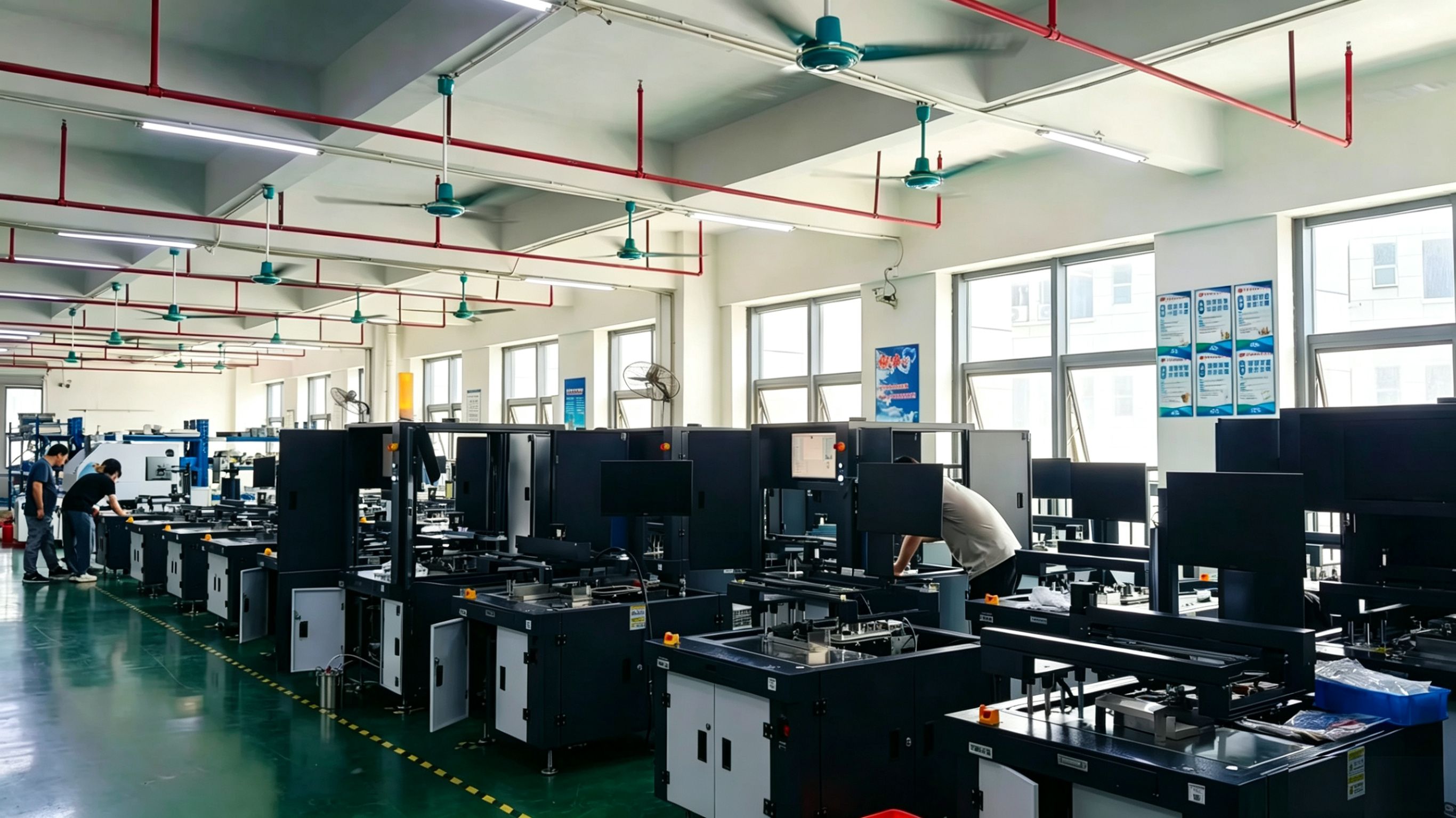
Single-nozzle precision machines
Single-nozzle machines are ideal for beginners who prioritize accuracy over speed. They solder one point at a time, which allows precise control and minimizes errors.
This type of selective wave soldering machine is commonly used in low-volume production or prototyping environments. It provides excellent results when dealing with complex or delicate components.
Although slower, it helps new users understand the soldering process in detail.
Multi-nozzle high-efficiency systems
Multi-nozzle systems increase productivity by soldering multiple joints at once. They are suitable for growing operations that require higher throughput without sacrificing quality.
These machines often include advanced programming capabilities, allowing operators to define complex soldering paths. While slightly more complex than single-nozzle systems, they offer a strong balance between efficiency and precision.
They are a natural upgrade path for businesses scaling production.
Compact or desktop selective wave soldering machines
Compact machines are designed for limited space and smaller production setups. They are popular among startups and labs due to their lower footprint and simplified operation.
Despite their size, many compact systems still offer essential features such as programmable controls and precise fluxing. This makes them an excellent entry point for beginners exploring selective soldering technology.
Key Features to Look for in a Selective Wave Soldering Machine
Precision fluxing systems for consistent results
Fluxing is the foundation of successful soldering. Advanced machines use spray fluxers that apply a controlled, even layer of flux across the PCB. This improves wetting and reduces defects such as solder balls. Beginners benefit from systems that allow precise adjustment of flux volume, ensuring consistent results across different boards.
A reliable fluxing system directly impacts solder joint quality.
Multi-zone preheating for uniform temperature control
Preheating prepares the board for soldering by gradually increasing temperature. Machines with multiple preheating zones provide better control and ensure even heat distribution. Uniform heating prevents warping and protects sensitive components. It also improves solder flow, leading to stronger connections.
For beginners, stable preheating simplifies process control and reduces errors.
Advanced solder wave and temperature management
During the soldering stage, temperature control and wave stability play a central role in determining final joint quality. A well-designed selective wave soldering machine manages heat and solder flow in a controlled way, ensuring consistent and repeatable results across different production runs.
To better understand how these elements work together, the table below outlines the key technologies and their impact:
Technology Element
How It Works
Resulting Benefit
Stable solder pot temperature
Maintains a constant molten solder temperature
Ensures uniform solder joints
Consistent wave dynamics
Controls the shape and flow of the solder wave
Improves accuracy and reduces defects
Dual-wave technology
Combines turbulent and smooth wave stages
Enhances coverage and removes excess solder
Precise temperature control
Fine-tunes heat levels during soldering
Delivers repeatable and high-quality output
These combined capabilities allow the machine to produce clean, reliable joints while maintaining stable production performance.
Intelligent control systems for repeatable processes
Modern selective wave soldering machines include intelligent control systems that store and manage soldering profiles. These systems allow operators to replicate successful settings across multiple production runs. They also provide real-time monitoring and feedback, which helps maintain consistency. For beginners, this reduces reliance on manual adjustments and improves efficiency.
Matching a Selective Wave Soldering Machine to Your Production Needs
Choosing based on production volume
Production volume is one of the most important factors when selecting a machine. Low-volume operations benefit from simple systems, while high-volume production requires faster, more automated solutions.
A machine that aligns with your output requirements ensures smooth workflow and avoids bottlenecks.
Adapting to PCB complexity and component density
Complex PCBs with dense components require higher precision and better process control. Machines with advanced nozzle systems and programmable paths handle these challenges effectively.
Selecting the right machine ensures that even intricate designs are soldered accurately.
Industry-specific requirements and applications
Different industries have unique requirements. For example, automotive electronics demand high reliability, while communication devices require consistent performance.
Manufacturers like Sundarc design equipment that supports a wide range of applications, offering flexibility and dependable operation across industries.
Planning for future production growth
Growth should always be part of your decision. A selective wave soldering machine that supports upgrades and expansion allows you to scale production without replacing equipment.
Investing in a future-ready system protects your long-term productivity.
Note: Always evaluate both current needs and expected growth before selecting a machine to avoid costly upgrades later.
Advanced Features That Improve Beginner Experience
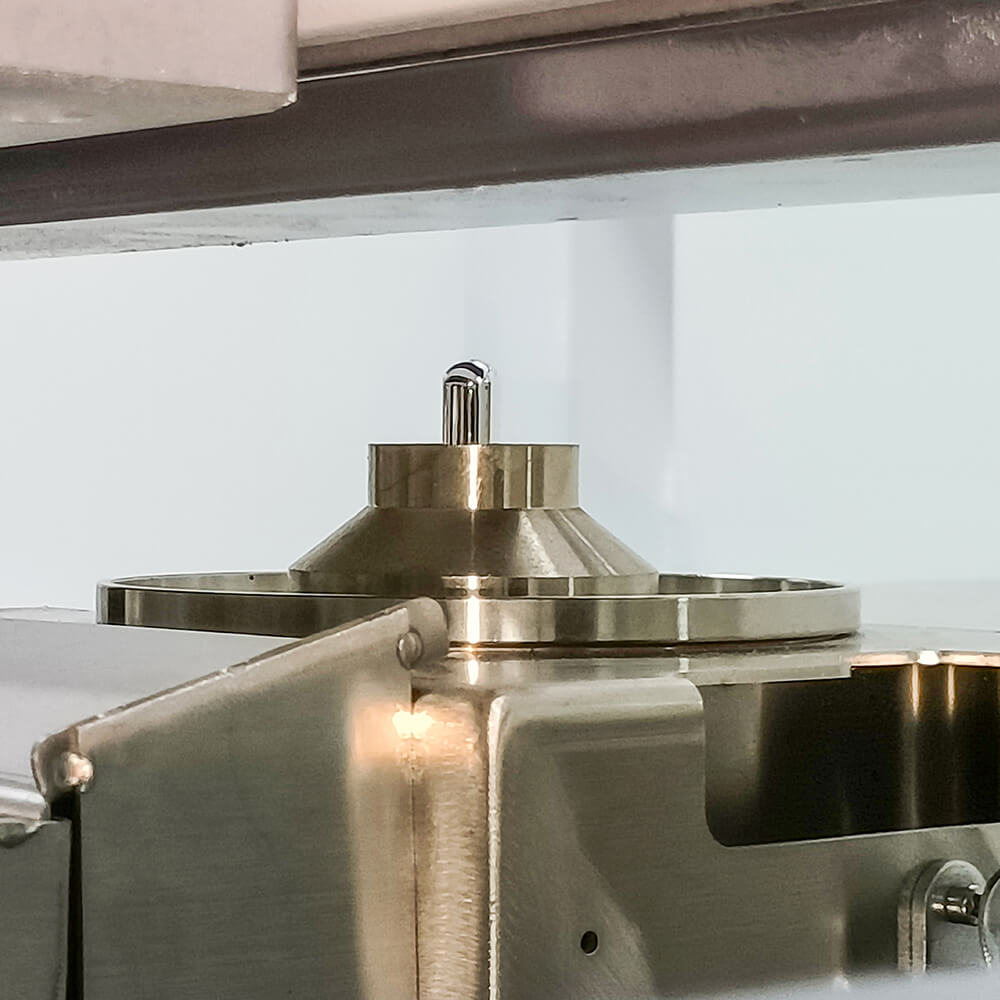
Nitrogen inerting for higher-quality solder joints
Nitrogen inerting reduces oxygen in the soldering area, which improves solder quality and limits oxidation during the process. This results in stronger and more reliable joints over time. It also lowers material waste and reduces dross formation, making it a valuable feature for improving efficiency and maintaining cleaner operation.
Automated solder management systems
Automated systems maintain consistent solder levels and reduce manual intervention during production. This improves overall process stability and ensures smooth, continuous operation without frequent adjustments. For beginners, automation simplifies daily tasks, minimizes interruptions, and reduces the chance of human error in critical steps.
Smart monitoring and data tracking capabilities
Modern machines offer data tracking and real-time monitoring, allowing operators to analyze performance and optimize processes more effectively. These features provide better visibility into production conditions and help identify improvements over time. They also support faster troubleshooting and more informed decision-making.
Conclusion
Choosing the right selective wave soldering machine depends on ease of use, reliability, and flexibility. Beginners benefit from systems that simplify operation while maintaining stable and consistent soldering results. When a machine feels intuitive and performs reliably, it supports both learning and daily production.
Focusing on key features such as precise flux control, stable temperature management, and intelligent automation helps users achieve professional outcomes faster. These capabilities reduce errors and improve overall efficiency, even in early production stages. Working with experienced manufacturers like Dongguan Sundarc Automation Technology Co., Ltd. adds long-term value. Their equipment is designed for accuracy, durability, and smooth operation across different applications. With the right solution in place, you can build a strong foundation for efficient, scalable, and high-quality PCB assembly.
FAQ
Q: What is a selective wave soldering machine used for?
A: A selective wave soldering machine is used to solder specific areas of a PCB. It allows precise soldering of through-hole components without affecting sensitive surface-mount parts.
Q: Why should beginners choose a selective wave soldering machine?
A: Beginners benefit from a selective wave soldering machine because it offers better control and reduces errors. It helps achieve consistent results without complex adjustments.
Q: How does a selective wave soldering machine improve solder quality?
A: A selective wave soldering machine controls flux, temperature, and solder flow. This creates stable conditions, which improves joint strength and reduces defects.
Q: What features should beginners look for in a selective wave soldering machine?
A: Look for easy controls, stable heating systems, and flexible PCB handling. A selective wave soldering machine with automation features also helps simplify operation.
Q: How much does a selective wave soldering machine cost?
A: The cost of a selective wave soldering machine varies based on size and features. Entry-level systems are more affordable, while advanced models with automation cost more but offer higher efficiency.


