

- HomeProducts
-

Top 10 Selective Soldering Machines For 2026
Views: 0 Author: Site Editor Publish Time: 2026-03-20 Origin: Site


1. Introduction
What happens when precision fails in modern PCB assembly? Even small soldering errors can lead to costly defects or product failures. In 2026, manufacturers face tighter tolerances and more complex board designs than ever before. This is where a selective wave soldering machine becomes essential. It targets only specific solder points, reduces heat impact, and improves joint consistency. Compared to traditional methods, it offers better control for mixed-technology boards.
In this article, we explore the top 10 selective soldering machines for 2026. You will learn how they perform in real production environments. We also cover key features, selection tips, and how to match the right system to your manufacturing needs.
2. Top 10 Selective Wave Soldering Machines for 2026 (Expert Picks)
2.1 ERSA VERSAFLOW Series – Benchmark for High-End Automation
ERSA remains a global leader in selective soldering technology. The VERSAFLOW series stands out for its multi-nozzle configuration and advanced electromagnetic pump system. These features allow precise control of solder flow, which leads to consistent joint quality across complex PCB assemblies.
It supports dual-lane processing, meaning manufacturers can increase throughput without expanding floor space. This makes it ideal for automotive electronics and medical devices, where both precision and output matter.
Its modular design also allows upgrades over time. Manufacturers can scale production without replacing the entire system.
2.2 Sundarc Selective Soldering Machine – High-Tech Innovation for Precision Manufacturing
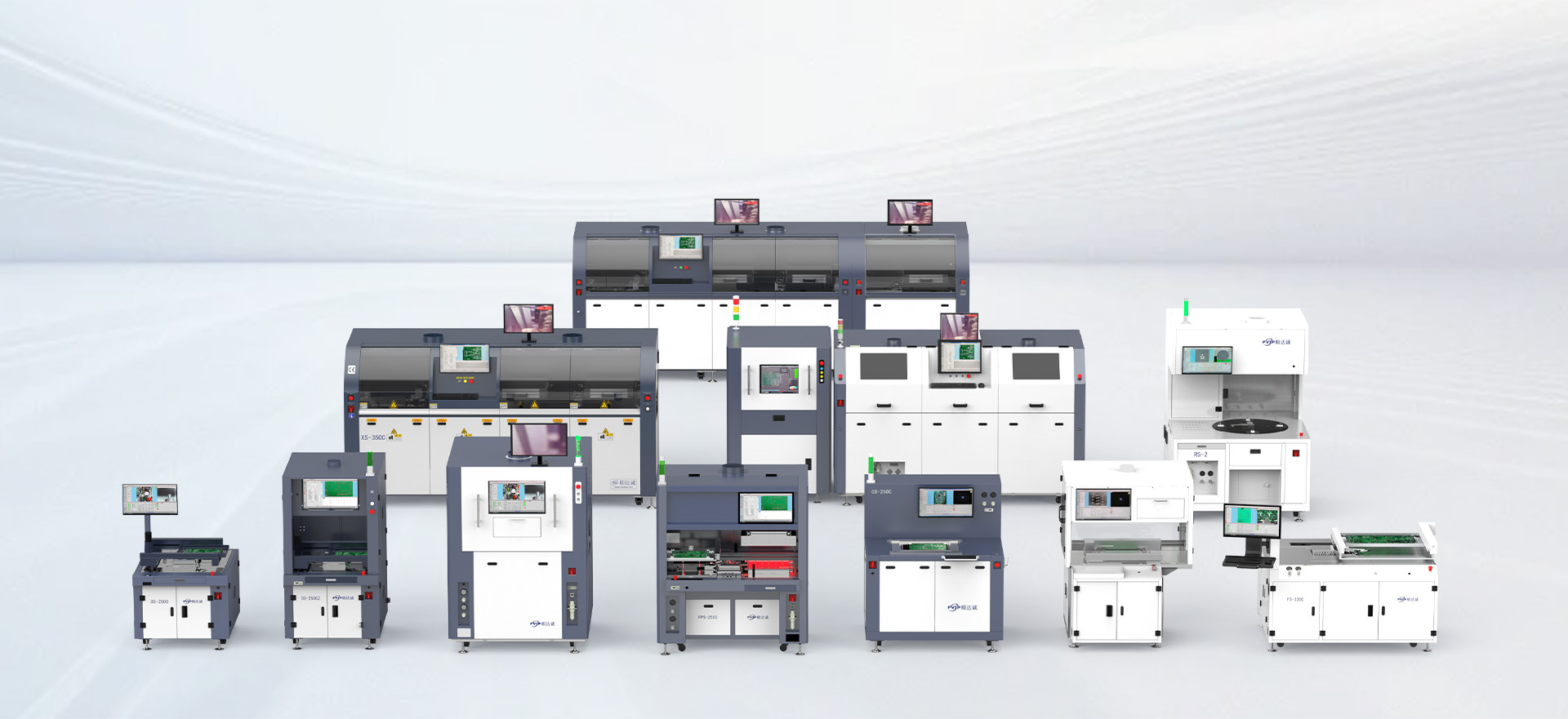
Sundarc has grown quickly since its founding in 2010. It focuses on developing advanced selective wave soldering machine solutions for industries requiring high precision. We see its systems used across automotive electronics, communications, and instrumentation sectors.
Its strength comes from strong integration between R&D and manufacturing. They design systems that maintain stability during long production runs. This helps reduce variation across batches, which improves overall product consistency.
Below is a quick overview of where Sundarc systems are commonly applied:
Industry Sector
Application Example
Key Benefit
Automotive
ECU modules, sensors
High reliability solder joints
Communications
Network boards
Stable performance
Instrumentation
Measurement devices
Precision control
Home Appliances
Control boards
Cost-efficient production
They also design systems that scale easily. This allows manufacturers to grow production without changing equipment frequently.
2.3 Nordson SELECT Integra Series – High-Throughput Selective Wave Soldering Machine
Nordson’s Integra platform is designed for speed and scalability. Its multi-station architecture allows parallel processing, which significantly increases output compared to single-station systems.
It supports dual-drop fluxing and dual solder pots, enabling flexible production setups. This is especially useful for manufacturers working on multiple PCB types at once.
The system also includes advanced process control software. It helps operators monitor solder quality in real time, reducing defects and rework. For large-scale production, this level of control is essential.
2.4 I.C.T Inline Selective Soldering Machine – Cost-Effective Precision
I.C.T offers a practical balance between cost and performance. Its inline selective soldering machine integrates precise spray systems, stable transmission mechanisms, and real-time monitoring.
One standout feature is its vision-based soldering system. It allows traceability by recording soldering processes, which is valuable for quality audits. Manufacturers benefit from better process transparency.
It is often chosen by mid-sized companies looking to upgrade from manual systems without committing to premium pricing.
2.5 RPS Automation Vector Series – Compact Precision for Prototyping
The Vector series focuses on flexibility and compact design. It is widely used in prototyping labs and small-batch production environments.
Its servo-driven motion system ensures accurate positioning during soldering. Combined with nitrogen temperature control, it delivers reliable joint quality even on sensitive components.
Because of its small footprint, it fits easily into limited spaces. This makes it a practical option for facilities that need precision without large-scale infrastructure.
2.6 SEHO SelectLine Systems – Modular Inline Selective Wave Soldering
SEHO’s SelectLine systems are built for high efficiency and flexibility. Their modular structure allows manufacturers to configure the system based on production needs.
The Synchro and SmartSplit modes optimize workflow by balancing load across stations. This improves throughput without sacrificing accuracy.
It is commonly used in high-mix, high-volume environments. Manufacturers appreciate how it adapts to changing production demands while maintaining stable performance.
2.7 SASinno MAS Series – Flexible Automated Selective Soldering Equipment
SASinno emphasizes modularity and ease of use. The MAS series allows quick configuration changes, which is valuable for manufacturers handling diverse PCB designs.
Its preheating and fluxing systems work together to ensure consistent solder joints. Users report lower defect rates and reduced rework.
The system is also known for fast setup times. This helps reduce downtime between production runs.
2.8 Senju SOLZEUS Series – Premium Japanese Engineering
Senju brings decades of experience to its SOLZEUS series. It uses static pressure wave technology, which improves solder penetration and joint strength.
This makes it suitable for complex assemblies where reliability is critical. Industries like aerospace and automotive rely on this level of precision.
Energy efficiency is another advantage. The system reduces power consumption while maintaining high performance, which helps lower operating costs over time.
2.9 DDM Novastar – Entry-Level Selective Wave Soldering Machine
DDM Novastar targets smaller manufacturers and prototyping environments. Its systems are easy to use and support Gerber file integration, simplifying programming.
It supports multiple soldering methods, including spot and drag soldering. This flexibility allows users to handle a wide range of applications.
Its compact design makes it a strong entry-level choice for companies starting with selective soldering.
2.10 Manncorp ULTIMA Series – Integrated Compact Solution
Manncorp offers an all-in-one solution with its ULTIMA series. It integrates fluxing, preheating, and soldering into a compact unit.
Users benefit from its intuitive interface, which reduces training time. The system is also space-efficient, making it suitable for smaller production facilities.
It is a reliable option for companies looking for consistent performance in a compact footprint.
3. Key Features to Look for in a Selective Wave Soldering Machine
3.1 Precision Control & Nozzle Technology
Precision defines the performance of any selective soldering system. Advanced nozzle designs ensure solder is applied only where needed. This reduces defects and improves repeatability. Manufacturers like Sundarc focus on high-precision nozzle control. Their systems maintain stable solder flow even during long production cycles. This consistency helps reduce rework and improves overall yield.
For complex PCBs, precise control becomes even more critical. Small errors can lead to costly defects.
3.2 Fluxing and Preheating Systems
Fluxing and preheating directly impact solder quality. A good system ensures even flux distribution and controlled temperature rise. This prevents issues like insufficient wetting or thermal damage. Modern machines use programmable settings to match different PCB requirements.
Efficient preheating also reduces energy consumption. It prepares the board for soldering without overheating sensitive components.
3.3 Automation Level (Inline vs Standalone)
Choosing between inline and standalone systems depends on production scale. Inline systems integrate into automated lines, offering higher throughput.
Standalone machines are better for low-volume or flexible production. They allow quick setup changes and lower initial investment.
Manufacturers should evaluate workflow before deciding. The right level of automation improves efficiency without unnecessary complexity.
3.4 Nitrogen Support & Lead-Free Compatibility
Nitrogen improves solder quality by reducing oxidation. It leads to cleaner joints and better long-term reliability. Lead-free compatibility is also essential due to environmental regulations. Modern systems support both requirements effectively.
Below is a quick comparison of key features:
Feature
Benefit
Impact on Production
Nitrogen Support
Reduced oxidation
Higher joint quality
Lead-Free Compatibility
Environmental compliance
Regulatory approval
Precision Nozzle Control
Accurate solder placement
Lower defect rate
Automation
Increased efficiency
Higher throughput
4. How to Choose the Right Selective Soldering Machine for Your Production
4.1 High-Volume vs Low-Volume Manufacturing Needs
Production volume plays a key role when selecting the right equipment. Different manufacturing scales require different system configurations. Choosing a mismatch can reduce efficiency and increase operational costs over time.
To make the decision clearer, here is a comparison between high-volume and low-volume production needs:
Production Type
Recommended Machine Type
Key Features
Typical Use Case
High-Volume
Inline selective soldering systems
Multi-station capability, automation
Mass production, automotive PCB
Low-Volume
Standalone / compact systems
Flexible setup, quick changeover
Prototyping, small batch runs
In high-volume environments, inline systems improve throughput and reduce manual handling. They support continuous operation and are ideal for stable, large-scale production.
For low-volume production, flexibility becomes more important. Compact systems such as RPS or DDM allow faster adjustments and better control, especially when handling multiple product types in smaller quantities.
4.2 PCB Complexity and Component Density
Complex boards require advanced soldering control. High-density PCBs need precise nozzle positioning and stable temperature management.
Machines with programmable paths and real-time monitoring perform better in these cases. They reduce errors and ensure consistent results.
Manufacturers working with mixed-technology boards should prioritize flexibility.
4.3 Space Constraints and Factory Layout
Factory space often limits equipment choices. Inline systems require more room but offer higher efficiency.
Compact machines provide a practical solution for smaller facilities. They allow manufacturers to optimize layout without sacrificing capability.
Planning layout in advance helps avoid costly adjustments later.
4.4 Budget vs Long-Term ROI
Initial cost is important, but long-term value matters more. High-quality systems reduce defects, lower rework, and improve productivity.
Companies like Sundarc focus on scalable solutions. Their systems support growth without requiring frequent upgrades.
Investing in the right machine often leads to better returns over time.
Tip: Evaluate total cost of ownership, not just purchase price. Maintenance, efficiency, and yield all affect ROI.
5. Selective Wave Soldering vs Traditional Wave Soldering
5.1 Precision and Material Efficiency Comparison
Selective soldering applies solder only where needed. This reduces material waste and improves accuracy.
Traditional wave soldering exposes the entire board to solder. It increases the risk of bridging and defects. Selective systems offer better control, especially for complex assemblies.
5.2 Suitability for Mixed Technology PCBs
Modern PCBs often combine SMT and THT components. Selective soldering handles this complexity effectively. It allows precise soldering without affecting nearby components. This makes it ideal for mixed-technology designs. Traditional methods struggle in these scenarios.
5.3 Process Control and Defect Reduction
Selective systems provide better process control. They allow real-time monitoring and adjustments. This reduces defects and improves consistency. Manufacturers achieve higher yields and lower rework rates. Better control also leads to more predictable production outcomes.
6. Industry Applications of Selective Wave Soldering Machines
Different industries place different demands on soldering quality, precision, and consistency. A selective wave soldering machine adapts well to these varied requirements, making it widely used across high-reliability and high-volume sectors.
To better understand its role, here is how it supports key industries:
Industry Sector
Application Focus
Key Requirement
How Selective Soldering Helps
Automotive Electronics
Sensors, control units, ECUs
High reliability, durability
Ensures strong, consistent solder joints
Aerospace
Mission-critical PCB assemblies
Strict quality standards
Delivers stable performance under stress
Consumer Electronics
Smart devices, compact PCB designs
Speed, miniaturization
Enables precise soldering for dense boards
In automotive electronics, reliability is critical because components often operate in harsh environments. Selective soldering ensures stable joints, which helps maintain long-term performance in safety systems. In aerospace, quality standards are extremely strict. Manufacturers rely on selective soldering to achieve consistent results, especially for mission-critical components that cannot fail. For consumer electronics, speed and compact design are key. As devices become smaller, precision becomes more important. Selective soldering supports efficient assembly while maintaining high product quality.
Note: As PCB density increases, precision soldering becomes essential to avoid defects and ensure consistent performance.
7. Future Trends in Selective Soldering Machines for 2026 and Beyond
7.1 Smart Manufacturing and Industry 4.0 Integration
Modern machines now connect directly to smart factory systems. They collect real-time data for monitoring, analysis, and process optimization. This visibility helps operators make faster decisions and reduce unexpected downtime. It also improves overall equipment efficiency and production transparency across the entire line.
7.2 AI-Driven Process Optimization
AI tools are becoming more common in soldering systems. They analyze production data, detect patterns, and recommend process adjustments. This leads to more stable soldering results and fewer defects. Over time, AI helps improve consistency and supports continuous process improvement.
7.3 Energy Efficiency and Eco-Friendly Innovations
Manufacturers are placing more focus on energy efficiency. New systems use optimized heating zones and smarter control algorithms to reduce power usage. This not only lowers operating costs but also supports environmental goals. Many companies now prioritize sustainable production methods.
7.4 Increased Demand for Modular and Scalable Systems
Flexibility is becoming essential in modern manufacturing. Modular systems allow easy upgrades and quick adjustments to production lines. They help manufacturers respond faster to new product requirements. This scalability ensures long-term usability without frequent equipment replacement.
8. Conclusion
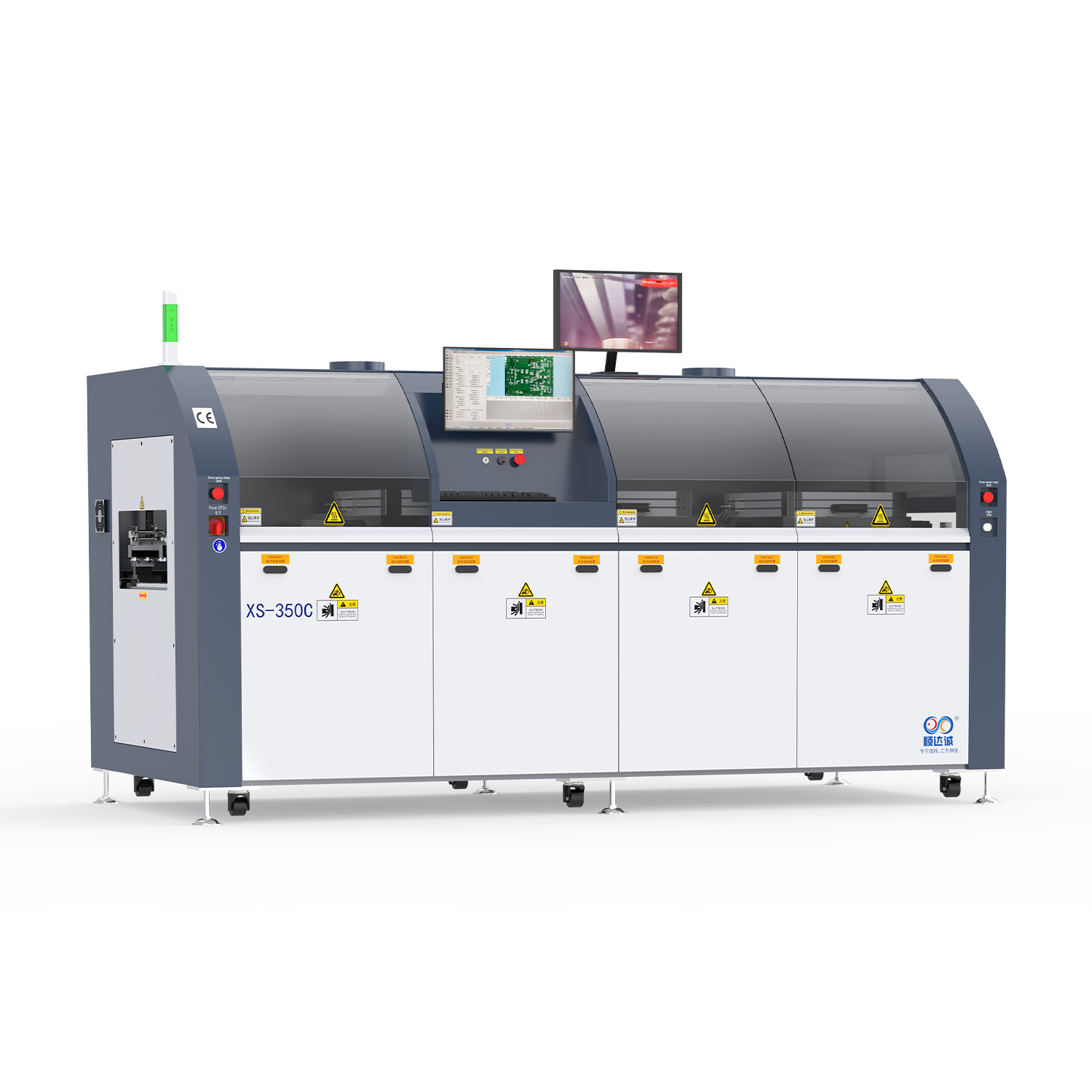
Choosing the right selective wave soldering machine is critical in modern electronics production. In 2026, leading systems deliver strong precision, flexible configurations, and scalable performance for different manufacturing needs. From high-end platforms like ERSA and Nordson to innovative solutions from Dongguan Sundarc Automation Technology Co., Ltd., manufacturers now have reliable options for both complex and high-mix production.
Each system offers unique strengths, but success depends on matching capabilities to real production demands. Advanced machines improve solder quality, reduce defects, and maintain stable output over time. Dongguan Sundarc Automation Technology Co., Ltd. stands out by providing high-precision equipment supported by strong R&D and application expertise, helping manufacturers achieve consistent results.
Focusing on long-term value ensures better efficiency, higher yield, and sustainable growth across evolving production environments.
FAQ
Q: What is a selective wave soldering machine?
A: A selective wave soldering machine is a system that solders only specific areas of a PCB. It improves precision, reduces heat exposure, and works well for mixed-technology boards.
Q: Why is a selective wave soldering machine important in 2026?
A: In 2026, PCB designs are more complex and compact. A selective wave soldering machine helps ensure accurate solder joints, reduces defects, and supports high-reliability applications.
Q: How do I choose the best selective wave soldering machine?
A: You should consider production volume, PCB complexity, and factory space. The right selective wave soldering machine should match your workflow and support long-term scalability.
Q: What industries use selective wave soldering machines most?
A: Automotive, aerospace, and consumer electronics industries rely heavily on them. A selective wave soldering machine ensures consistent performance in high-reliability environments.
Q: How much does a selective wave soldering machine cost?
A: Costs vary widely depending on features and automation level. Entry-level systems are more affordable, while high-end selective wave soldering machine solutions offer advanced precision and throughput.


