

- HomeProducts
-

Selective Wave Soldering Machine Nozzle Clogging Problems in PCB Assembly
Views: 0 Author: Site Editor Publish Time: 2026-07-20 Origin: Site


Unplanned downtime in PCB assembly directly degrades Overall Equipment Effectiveness. Soldering anomalies remain a primary driver of reduced first-pass yield on the shop floor. When production halts to address a clogged nozzle, the entire assembly line backs up. Maintaining a stable, repeatable soldering process is non-negotiable for high-volume electronics manufacturing.
A selective wave soldering machine nozzle clogging event leads to inconsistent solder wave height, bridging, skipped joints, and excessive manual rework. These defects drive up per-board manufacturing costs and introduce severe reliability risks into the final product. A partially obstructed nozzle disrupts the fluid dynamics of the molten solder, making precision hole fill impossible.
Resolving this requires moving beyond reactive, manual unclogging to a systemic approach involving flux chemistry management, N2 purity optimization, alloy thermal profiling, nozzle material evaluation, and rigorous equipment selection. By addressing the root causes of nozzle degradation, operators can stabilize cycle times and eliminate costly manual rework.
Root Cause Identification: Most nozzle clogs stem from a combination of improper flux application, inadequate nitrogen inerting, and solder dross accumulation.
Technology Selection: Transitioning between wettable and non-wettable selective soldering nozzles dictates specific maintenance intervals and process parameters.
Process Control: Optimizing the flux spraying selective soldering module is critical; overspray and incorrect flux solids content directly accelerate nozzle degradation.
Vendor Evaluation: When upgrading equipment, prioritizing a selective soldering machine manufacturer that engineers automated nozzle cleaning and superior nitrogen shielding systems reduces long-term operational risks.
The Operational Cost of Nozzle Degradation in PCBA
A healthy selective soldering process requires cycle time stability, zero-defect solder joints, and predictable maintenance schedules. When you meet these baseline metrics, the assembly line operates efficiently. Any deviation signals a process control failure, often originating right at the solder nozzle.
A partially clogged nozzle alters the solder wave dynamics significantly. The restricted flow causes insufficient hole fill, solder webbing, and thermal damage to adjacent SMD components. The wave becomes unstable, failing to deliver the precise thermal energy and solder volume required for a reliable joint. We see this constantly when operators ignore early warning signs of flow restriction.
The hidden costs of machine halts, manual nozzle purging, and the subsequent QA bottleneck are substantial. Inconsistent solder flow forces operators to rework boards manually, increasing cycle times and labor costs. Frequent downtime for nozzle maintenance directly impacts the production schedule and overall profitability.
Cycle Time Degradation: Every minute spent purging a nozzle adds up, reducing the total boards processed per shift.
Rework Labor: Manual touch-ups require skilled technicians, pulling them away from other critical tasks.
Scrap Rates: Severe thermal damage from unstable waves can render complex PCBs completely unrepairable.
Primary Root Causes of Selective Wave Soldering Machine Nozzle Clogging
Flux Residue and Carbonization
Flux migrating to the nozzle heater, pump assembly, or nozzle tip carbonizes at high temperatures. We typically see this happen between 260°C and 300°C. This carbon buildup physically obstructs the nozzle orifice and degrades the surface wettability. Over time, the hardened residue restricts solder flow and alters wave geometry.
High-solid, rosin-based fluxes have lower carbonization thresholds compared to low-solid, no-clean organic acid chemistries. The higher solids content leaves more residue behind, accelerating carbon buildup on the heated nozzle surfaces. Selecting the appropriate flux chemistry minimizes nozzle maintenance and keeps the line running.
Incomplete activation and vaporization of flux solvents during preheating leave excessive wet residues on the board. These residues drag into the solder wave and bake directly onto the nozzle. Proper preheating ensures the flux is fully activated and dry before contacting the molten solder.
Solder Dross and Oxidation
Inadequate nitrogen purity or flow leads to rapid dross formation at the nozzle tip. Dross acts as a physical barrier, disrupting the solder wave and adhering to the nozzle surfaces. Maintaining a pristine nitrogen environment prevents oxidation and ensures wave stability.
Micro-dross particles get trapped in the impeller, nozzle shaft, or pump chimney. These trapped particles restrict fluid flow and cause wave pulsation or height drop-offs. Regular cleaning of the pump assembly removes accumulated dross and maintains consistent solder delivery.
Lead-free variants, such as SAC305, oxidize more rapidly and generate more dross than traditional tin-lead alloys or specialized alloys like SN100C. The higher tin content and elevated operating temperatures of lead-free alloys require superior nitrogen shielding to manage dross formation effectively.
Thermal Imbalance and Alloy Solidification
Localized temperature drops cause the solder alloy to solidify within the nozzle capillary. This often occurs when soldering heavy copper boards or components with high thermal mass. The rapid heat extraction cools the solder below its liquidus temperature, causing an immediate clog.
The heat capacity of the nozzle material determines its ability to maintain temperature during back-to-back soldering cycles. Nozzles with insufficient thermal mass struggle to recover quickly, increasing the risk of alloy solidification. You must select nozzles designed for high thermal demand when running heavy copper applications.
Contaminants from the PCB (Intermetallic Compounds and Particulates)
Copper dissolved from the PCB boards builds up in the solder pot over time. This dissolved copper forms high-melting-point, needle-like Intermetallic Compounds (IMCs), such as Cu6Sn5. These IMCs physically obstruct the nozzle tip and degrade solder joint quality.
Solder mask particulates, fiberglass debris, or dust introduce physical contaminants into the solder pot during wave contact. These materials mix with the solder and lodge inside the nozzle capillary. Maintaining a clean manufacturing environment and inspecting boards before soldering reduces particulate contamination.
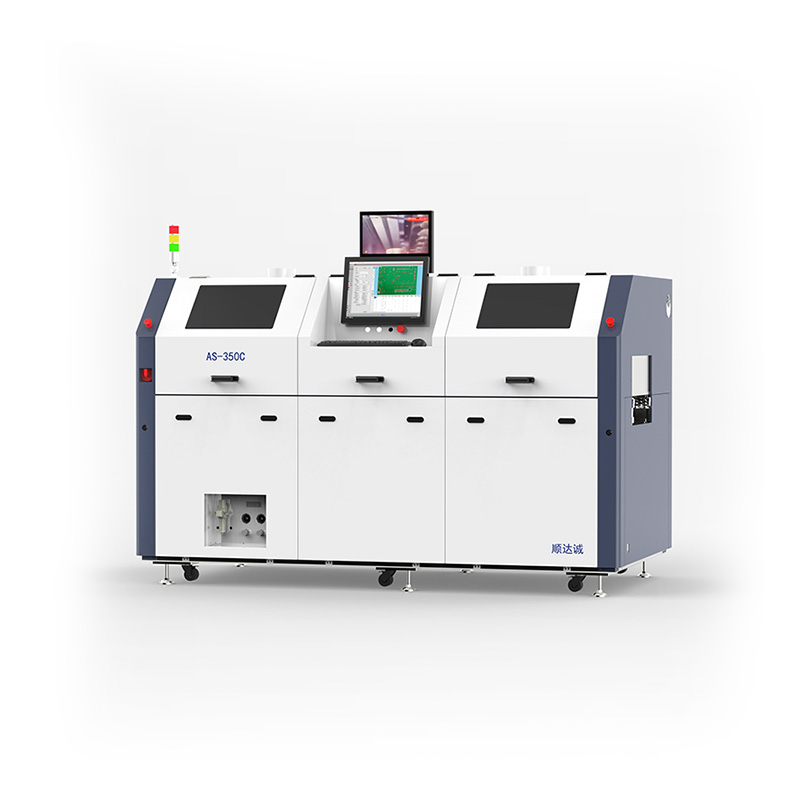
Evaluating Selective Soldering Nozzle Technologies
Solution Categories
Standard nozzle architectures vary in their susceptibility to clogging based on geometry, inner diameter, and outer diameter. Smaller inner diameters increase the risk of capillary clogging, while larger outer diameters cause clearance issues with adjacent components. Selecting the right nozzle geometry requires balancing precision with flow reliability.
Wettable vs. Non-Wettable Nozzles
A selective soldering nozzle must be chosen based on your specific production volume and maintenance capabilities. Wettable nozzles require continuous tinning to guide the solder flow omnidirectionally. The wetted surface allows the solder to flow smoothly over the nozzle tip, creating a stable, predictable wave. Maintaining this wetted surface is critical for consistent performance.
De-wetting leads to directional flow issues. The solder pulls to one side, creating an unstable wave and perceived clogs. Regular maintenance using chemical tinning salts and acidic activation pastes restores and maintains wettability.
Non-wettable nozzles rely on gravity and surface tension to release the solder wave. They utilize specialized materials, such as titanium, chromium-plated alloys, or specialized ceramic coatings. These materials resist dross adhesion and chemical degradation, reducing maintenance frequency.
Feature
Wettable Nozzles
Non-Wettable Nozzles
Flow Guidance
Omnidirectional, relies on surface tinning
Relies on gravity and surface tension
Maintenance
High (requires frequent re-tinning)
Low (resists dross and chemical degradation)
Wave Stability
Excellent when properly tinned
Can be turbulent, requires precise calibration
Clog Resistance
Moderate (susceptible to de-wetting)
High (materials resist adhesion)
Nozzle Diameter and Flow Dynamics
Micro-nozzles under 3mm offer precision for high-density boards but carry an exponentially higher risk of capillary clogging. The small orifice restricts flow and is easily obstructed by minor dross or IMC accumulation. Using micro-nozzles requires stringent process control and frequent maintenance.
Pump RPM and pot design affect fluid dynamics inside small-diameter capillaries. High pump speeds cause turbulence and dross generation, while low speeds result in insufficient wave height. Optimizing pump parameters maintains stable flow through micro-nozzles.
The Role of Flux Spraying Selective Soldering in Clog Prevention
Systemic Interdependencies
The fluxer directly impacts the chemical composition of the solder pot and the physical state of the nozzle. Excessive flux application contaminates the solder wave and accelerates carbon buildup on the nozzle. Controlling flux volume is your primary defense against nozzle degradation.
Drop-Jet vs. Ultrasonic Fluxing
Drop-jet fluxers offer high precision, utilizing high-frequency valves to apply low-viscosity fluxes accurately. This technology minimizes overspray, ensuring flux is only applied to the target areas. Reduced overspray directly translates to less carbon buildup on the nozzle shroud.
Ultrasonic spray fluxing provides consistent droplet sizes but carries an elevated risk of overspray. While effective for high-solids or water-soluble fluxes, the wider spray pattern migrates to the solder wave. Managing overspray is critical when using flux spraying selective soldering systems.
Flux Volume and Alignment Calibration
Closed-loop flux volume monitoring prevents excess solids from contaminating the solder wave. Applying too much flux leaves unactivated residues that bake onto the nozzle. Precise volume control ensures adequate hole fill without excessive residue.
Misaligned fluxing leads to dry joints on the board while depositing highly concentrated flux directly onto the heated nozzle shroud. This misalignment accelerates carbonization and nozzle clogging. Regular calibration of the fluxer targeting system ensures process stability.
Implementation Risks: Preventative Maintenance and Process Mitigation
Daily and Weekly Maintenance Protocols
Daily maintenance includes shift-based nozzle wiping, checking nitrogen flow, and visual inspection of wave symmetry. These quick checks identify potential issues before they cause defects. Consistent daily maintenance forms the foundation of process stability.
Weekly maintenance requires a deeper dive, including dross removal, impeller inspection, chimney cleaning, and deep-cleaning cycles. Removing accumulated dross and inspecting pump components prevents catastrophic clogs. A rigorous weekly schedule extends nozzle life and improves OEE.
Ultrasonic cleaning of selective soldering nozzles requires specific parameters to avoid damaging proprietary coatings. Use appropriate solvents, control the frequency, and limit exposure times. Improper ultrasonic cleaning strips the plating from wettable nozzles, rendering them useless.
Nitrogen System Calibration
Strict operational parameters must be defined for the nitrogen system. Maintain an N2 purity of 99.999% or keep oxygen concentration under 50-100 ppm at the nozzle. Inadequate nitrogen purity accelerates dross formation and nozzle clogging.
Evaluate gas distribution rings and flow rates required to maintain a laminar N2 barrier over the solder wave. A well-designed N2 shroud prevents oxygen from reaching the molten solder. Proper shroud design minimizes dross and maintains wave stability.
Chemical Cleaning and Maintenance Reagents
Adipic acid and specific organic solvents safely remove baked-on flux and carbonized residues. These chemicals break down the residues without degrading the wettable nozzle plating. Always follow the manufacturer's recommendations for chemical cleaning agents.
Aggressive scraping tools, such as steel files or hard wire brushes, damage plated nozzle surfaces. Mechanical damage destroys the wettability of the nozzle and accelerates clogging. Use soft brass brushes or specialized cleaning tools designed for delicate nozzle surfaces.
Troubleshooting Matrix: Diagnosing Nozzle Flow Deviations
Symptom
Root Cause
Solution
Wave Pulling to One Side
Partial de-wetting on one side of a wettable nozzle
Re-tin nozzle with tinning salt.
Wave Pulsation
Low solder level, impeller wear, or dross in pump chimney
Clean chimney, check solder pot level.
Solder Wave Height Drop-Off
Solidified dross or IMC accumulation inside the nozzle capillary
Thermal cycle, flush nozzle, or execute ultrasonic deep clean.
Excessive Solder Bridging
Incorrect wave height or contaminated solder
Adjust pump RPM, perform solder pot analysis.
Evaluating a Selective Soldering Machine Manufacturer
Automated Maintenance Features
Automated chemical tinning, automatic nozzle cleaning brushes, and high-frequency automated purging cycles significantly reduce manual maintenance. These features maintain nozzle wettability and clear minor obstructions automatically. Investing in automated maintenance improves process stability and reduces downtime.
Laser-based or camera-based closed-loop wave height monitoring systems automatically adjust pump RPM to compensate for minor wave height drops. These systems ensure consistent solder delivery even as the nozzle begins to degrade. Closed-loop monitoring is essential for high-reliability manufacturing.
Pump and Solder Pot Architecture
Electromagnetic pumps have no moving parts, reducing shear stress and dross generation compared to mechanical impeller pumps. EM pumps also minimize internal dross trapping, resulting in a cleaner solder wave. Evaluating pump architecture is critical for long-term process stability.
Quick-change pot designs facilitate rapid changeovers for dual-alloy or multi-nozzle configuration lines. The ability to swap pots quickly reduces downtime and improves machine utilization. Consider the pot swap mechanics when evaluating a selective soldering machine manufacturer.
Software and Predictive Maintenance
Machine software that tracks pump RPM trends against wave height predicts clogs and schedules maintenance before defects occur. Predictive diagnostics shift maintenance from reactive to proactive. This capability maximizes OEE and minimizes unplanned downtime.
Integration capabilities with MES systems allow operators to track flux consumption, N2 pressure, and nozzle runtime. Process traceability ensures all critical parameters are monitored and recorded. This data drives root cause analysis and continuous process improvement.
A robust selective wave soldering machine must provide operators with clear, actionable data on the shop floor. Without real-time feedback on pump performance and nitrogen flow, you are flying blind until a defect occurs.
Conclusion
Implement a strict daily and weekly maintenance schedule focusing on nozzle wiping, dross removal, and chimney cleaning. Calibrate your flux spraying system to minimize overspray and ensure precise volume control. Monitor nitrogen purity continuously, maintaining oxygen levels below 100 ppm at the nozzle. Evaluate your current nozzle technology and upgrade to automated cleaning systems to reduce manual intervention.
FAQ
Q: How often should I clean my selective soldering nozzle?
A: Daily wiping and visual inspections are required. Deep cleaning, including chimney flushing and dross removal, should be performed weekly or based on production volume and flux chemistry.
Q: Why does my solder wave pull to one side?
A: This usually indicates partial de-wetting of a wettable nozzle. The solder loses surface tension on the de-wetted side. Re-tinning the nozzle with appropriate salts or pastes will resolve this.
Q: Can I use a steel brush to clean the nozzle?
A: No. Steel brushes or aggressive scraping tools will scratch and destroy the plating on wettable nozzles, causing permanent de-wetting and accelerated clogging. Use soft brass brushes only.
Q: What causes the solder wave height to drop suddenly?
A: A sudden drop is typically caused by dross or IMC accumulation inside the nozzle capillary, or a blockage in the pump chimney. It can also result from a low solder pot level.
Q: How does flux overspray affect the nozzle?
A: Flux overspray migrates to the heated nozzle shroud, where it carbonizes. This hard carbon residue physically obstructs the nozzle orifice and degrades the surface wettability over time.


