

- HomeProducts
-

Selective Soldering Vs Wave Soldering: Key Differences
Views: 0 Author: Site Editor Publish Time: 2026-03-16 Origin: Site


Introduction
What if one soldering choice could affect both quality and cost? Many engineers face this decision every day. In modern PCB assembly, through-hole soldering still plays a critical role. It ensures strong connections in automotive, aerospace, and industrial electronics. Two main methods dominate this process: selective soldering and wave soldering. Each one fits different production needs and board designs. Choosing the right approach can improve efficiency and product reliability.
In this article, we will explore their key differences. You will learn how each method works and when to use them. We will also explain how a selective wave soldering machine brings more precision and flexibility to today’s manufacturing.
Selective Soldering vs Wave Soldering: Key Differences Explained
Localized vs Full-Board Soldering Approach
The most fundamental difference lies in how solder is applied. Selective soldering focuses on specific joints. It uses a small nozzle to deliver molten solder exactly where needed. This targeted approach allows manufacturers to protect sensitive components and avoid unnecessary exposure.
Wave soldering, in contrast, treats the entire board at once. The PCB passes over a continuous wave of molten solder, which contacts all exposed through-hole leads simultaneously. This makes it highly efficient for uniform designs but less flexible for complex assemblies.
This difference becomes critical when working with mixed-technology boards. Selective methods provide control, while wave soldering prioritizes speed.
Precision and Process Control
Precision defines modern electronics manufacturing. A selective wave soldering machine offers programmable control over nozzle paths, dwell time, and temperature. Engineers can fine-tune every joint, ensuring consistent quality across complex layouts.
Manufacturers such as Sundarc have invested heavily in advanced systems that integrate R&D with production. Their equipment supports industries where precision is non-negotiable, including automotive electronics and communication systems.
Wave soldering, while reliable, operates with broader process parameters. It works best when boards share similar structures and do not require individual attention at each solder point.
Production Speed and Throughput
Speed often drives production decisions. Wave soldering can process hundreds of boards per hour, making it ideal for mass production. Once set up, it runs continuously and efficiently.
Selective soldering is slower because it handles joints individually. However, it reduces errors and rework in complex assemblies. In many cases, this balance improves overall production efficiency.
Feature
Wave Soldering
Selective Soldering
Speed
Very high
Moderate
Flexibility
Limited
High
Setup Change
Slower
Faster
Best Use Case
Mass production
Mixed or complex boards
PCB Compatibility and Design Fit
Not all PCBs are created equal. Complex designs with dense layouts, mixed components, or tight spacing benefit greatly from selective soldering. It can navigate intricate geometries without affecting adjacent parts.
Wave soldering is better suited for simpler boards dominated by through-hole components. It performs best when layouts are uniform and free from shadowing risks.
Choosing the right method often depends on how your board is designed rather than just how many units you produce.
Thermal Impact on Components
Heat management plays a major role in soldering quality. Selective soldering applies heat only where needed, which reduces thermal stress on sensitive components. This is especially valuable for modern electronics that include delicate SMT parts near through-hole pins.
Wave soldering exposes the entire underside of the PCB to molten solder. While effective, it increases overall thermal load. For robust components, this is not an issue, but for sensitive assemblies, localized heating provides a clear advantage.
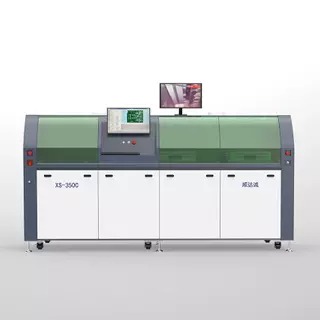
What Is Wave Soldering and When Is It Most Effective?
Overview of the Wave Soldering Process
Wave soldering follows a straightforward sequence. First, flux is applied to clean and prepare the PCB. Next, the board enters a preheating stage, which activates the flux and reduces thermal shock. Finally, it passes over a molten solder wave that forms joints across all exposed leads. Cooling solidifies the connections.
This continuous flow process makes it highly predictable and easy to scale. Once parameters are optimized, it delivers stable results across large batches.
Strength in High-Volume Manufacturing
Wave soldering is built for scale. It shines in environments where thousands of identical boards must be produced quickly. The process minimizes manual intervention and reduces labor costs.
For manufacturers focused on throughput, it offers a strong advantage. It also simplifies production planning, as the process remains consistent across long runs.
Common Industry Applications
Wave soldering is widely used in industries where production volume is high and board designs remain consistent. It performs best in environments that prioritize efficiency, repeatability, and stable through-hole connections. Below are some typical applications where this process is commonly applied:
Industry Sector
Typical Products
Why Wave Soldering Fits Well
Consumer Electronics
TVs, home appliances, chargers
High production volume and standardized designs
Power Electronics
Power supplies, converters
Strong and reliable through-hole connections needed
Industrial Control Systems
Control boards, automation units
Consistent layouts and long production runs
In these scenarios, wave soldering provides dependable results because it efficiently handles through-hole components across large batches without requiring complex process adjustments.
What Is Selective Soldering and How Does It Work?
Core Principles of a Selective Wave Soldering Machine
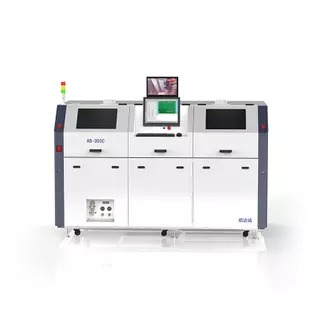
A selective wave soldering machine uses a miniaturized solder wave or nozzle to target individual joints. Instead of immersing the entire board, it creates a localized soldering environment.
This allows precise control over where solder is applied. The system can adjust parameters in real time, ensuring each joint meets strict quality standards.
Step-by-Step Selective Soldering Process
The process begins with precise flux application. Only selected areas receive flux, reducing contamination and cleaning requirements. Next comes localized preheating, which prepares the joints without affecting the entire board.
Finally, the nozzle follows a programmed path to apply solder. It can perform point soldering or drag soldering, depending on the design. This flexibility makes it suitable for a wide range of assemblies.
Why It Excels in Complex PCB Assemblies
Selective soldering stands out when dealing with mixed SMT and through-hole designs. It avoids interference with nearby components and supports tight spacing.
Companies like Sundarc have developed systems tailored for high-reliability sectors such as instrumentation and military electronics. These environments demand consistent quality and precise control, both of which selective soldering delivers effectively.
Process Workflow Comparison: From Flux to Final Joint
Differences in Flux Application
Flux application plays a critical role in soldering quality and efficiency. The two methods handle it in very different ways, which directly affects material usage, cleanliness, and process control. The comparison below highlights how each approach works:
Aspect
Wave Soldering
Selective Soldering
Application Area
Entire PCB underside
Only specific solder joints
Material Usage
Higher due to full-board coverage
Lower due to targeted application
Cleaning Requirement
More cleaning needed after soldering
Easier and faster post-solder cleaning
Process Control
Less precise, uniform application
High precision for each individual joint
By applying flux only where needed, selective soldering improves efficiency and reduces waste. In contrast, wave soldering ensures full coverage, which supports consistency in simpler board designs.
Heating and Temperature Control Strategies
Temperature control is another key distinction. Wave soldering uses uniform heating across the board. While effective, it offers limited flexibility for varying component requirements.
A selective wave soldering machine enables localized heating. Engineers can adjust temperature profiles for each joint, improving quality and reducing thermal stress. This level of control is especially valuable in high-density or sensitive assemblies.
Production Efficiency and Cost Considerations
Cost Per Unit vs Production Scale
Wave soldering delivers lower unit costs at scale. Once production volume increases, its speed and automation reduce overall expenses.
Selective soldering, on the other hand, provides efficiency in smaller runs. It eliminates the need for complex fixtures and reduces setup time when switching between products.
Material Usage and Solder Efficiency
Material consumption directly affects both cost and process cleanliness. The way each method uses solder and flux creates clear differences in efficiency and operational impact. The table below outlines how they compare:
Aspect
Wave Soldering
Selective Soldering
Solder Consumption
Higher due to full-board contact
Lower due to targeted soldering
Flux Usage
Applied across entire board
Applied only to required areas
Waste Generation
More dross and material waste
Minimal waste and reduced dross formation
Operational Cleanliness
More residue, requires thorough cleaning
Cleaner process with less residue
Cost Impact
Efficient at scale, higher material usage
Lower material cost in flexible production
Selective soldering improves efficiency by focusing only on required joints. Wave soldering, while effective for large runs, uses more materials due to its full-board approach.
Equipment Investment and Long-Term Value
A selective wave soldering machine often requires a higher initial investment. However, it delivers long-term value through improved quality, reduced rework, and adaptability.
Brands like Sundarc combine research, development, and manufacturing expertise to create systems that support scalable production. Their solutions help manufacturers maintain efficiency while meeting evolving design requirements.
Tip: When evaluating equipment, consider not just upfront cost but also flexibility, maintenance, and long-term production goals.
Choosing Between Selective and Wave Soldering for Your PCB
Based on Production Volume
Production volume is often the deciding factor. High-volume runs benefit from wave soldering due to its speed and consistency. It keeps costs low and output high.
For low-to-medium volumes, selective soldering offers better flexibility. It allows quick adjustments and supports frequent product changes without significant downtime.
Based on Industry Requirements
Different industries have different priorities. Automotive, medical, and aerospace sectors often demand higher reliability and precision. Selective soldering aligns well with these needs.
Consumer electronics, where cost and speed are critical, frequently rely on wave soldering. The simpler designs and large production volumes make it an ideal fit.
Note: Always align your soldering method with both technical requirements and end-use reliability standards.
Role of Selective Wave Soldering Machine in Modern Manufacturing
Automation and Programmability Advantages
Modern manufacturing requires flexibility and fast adaptation to changing designs. A selective wave soldering machine supports automated, programmable operations that adjust to different PCB layouts and production needs. It allows engineers to define precise soldering paths and parameters for each product.
This reduces manual intervention and improves workflow efficiency. It also enables faster changeovers between product lines, which is especially valuable in high-mix production environments where variety is common.
Improved Soldering Consistency and Quality
Consistency is essential in electronics manufacturing, especially for high-reliability applications. Selective soldering ensures each joint is processed under controlled conditions, maintaining uniform quality across all boards. This leads to fewer defects and higher yield rates over time.
It also enhances traceability. Process parameters can be monitored, recorded, and adjusted when needed. This level of control helps manufacturers maintain strict quality standards and meet industry requirements more effectively.
Supporting Advanced Electronics Production
As PCB designs become more compact and complex, traditional soldering methods face limitations. Selective soldering meets the demands of high-density layouts and mixed-technology assemblies. It allows precise soldering even in tight spaces where accuracy is critical.
This capability supports innovation across industries. Manufacturers can produce advanced electronic products without sacrificing quality, efficiency, or long-term reliability.
Conclusion
Selective soldering and wave soldering both play vital roles in PCB manufacturing today. Wave soldering works best for high-volume production where speed and consistency matter most. Selective soldering, however, provides greater precision and flexibility, making it ideal for complex and mixed-technology boards. The right choice depends on production scale, board complexity, and quality requirements. As electronics continue to evolve, the selective wave soldering machine has become an essential tool for improving accuracy and reducing defects.
Dongguan Sundarc Automation Technology Co., Ltd. delivers advanced soldering solutions that combine precision, efficiency, and reliability. Their equipment supports modern manufacturing needs by offering stable performance, flexible programming, and high-quality results, helping businesses enhance both productivity and product value.
FAQ
Q: What is the main difference between selective soldering and wave soldering?
A: The key difference lies in how solder is applied. Selective soldering targets specific joints using a nozzle, while wave soldering processes the entire board at once. A selective wave soldering machine allows more precise control for complex PCB designs.
Q: When should I use a selective wave soldering machine instead of wave soldering?
A: You should use a selective wave soldering machine when working with mixed-technology boards or sensitive components. It helps avoid heat damage and ensures accurate soldering in tight layouts.
Q: Why is wave soldering preferred for high-volume production?
A: Wave soldering offers faster throughput and lower cost per unit in large-scale production. It works best for simple, uniform boards where precision targeting is not required.
Q: How does a selective wave soldering machine improve product quality?
A: A selective wave soldering machine improves quality by controlling solder flow, temperature, and timing for each joint. This reduces defects and ensures consistent results across complex assemblies.
Q: Is selective soldering more expensive than wave soldering?
A: Initial investment in a selective wave soldering machine can be higher. However, it often reduces rework, material waste, and setup time, which can lower overall production costs in flexible manufacturing.
Q: What industries benefit most from selective soldering?
A: Industries like automotive, aerospace, and medical electronics benefit the most. They require high reliability, and a selective wave soldering machine helps meet strict quality standards.


