

- HomeProducts
-

Offline Vs. In-line Selective Wave Soldering Machines: A Complete Buying Guide
Views: 0 Author: Site Editor Publish Time: 2026-06-12 Origin: Site


Choosing the wrong soldering system can slow the whole line. It can also raise labor cost and rework. A Selective Wave Soldering Machine should match your real production flow. In this guide, you will learn when offline or in-line systems make better sense, and how to buy with fewer risks.
Key Takeaways
● An Offline Selective Wave Soldering Machine is usually better for proofing, NPI, small batches, and frequent product changes.
● An in-line system is better for high-volume production, automated transfer, and stable product schedules.
● Offline machines offer more flexibility, lower integration pressure, and easier process testing.
● In-line machines improve flow, reduce manual handling, and support higher daily output.
● The best choice depends on PCB size, cycle time, solder joint count, operator skill, floor space, and future capacity.
● Buyers should compare total ownership cost, not only the machine price.
● Features such as flux control, preheating, nitrogen protection, stable wave height, and data tracking strongly affect soldering quality.
Offline vs. In-line Selective Wave Soldering Machine: What Is the Real Difference?
Offline and in-line machines do the same basic job. They solder selected through-hole points on a PCB instead of exposing the whole board to solder. The main difference is how they fit into production.
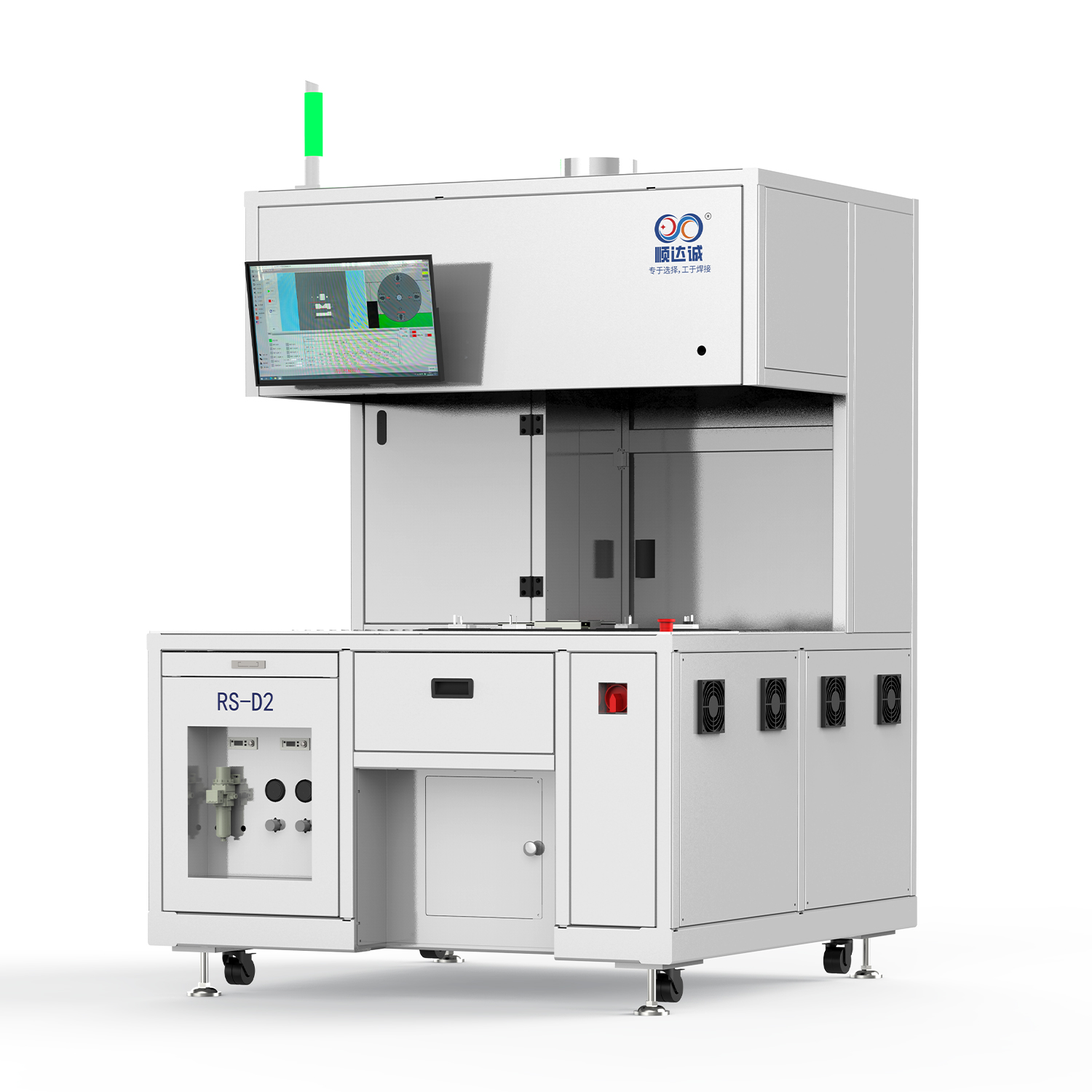
An offline machine works as a separate station. Operators usually load and unload boards by hand. This makes it useful for engineering rooms, proofing areas, repair cells, and small-batch production. Some offline designs focus on compact size. Others use enclosed structures, preheating, or turntable layouts to support safer and more stable soldering.
An in-line machine connects to the production line. Boards move through fluxing, preheating, soldering, and transfer stages in a planned flow. This format supports higher output and less manual handling. Some in-line systems use compact layouts. Others use multi-station designs or dual solder pots for faster production.
Buying Factor
Offline Machine
In-line Machine
Best use
Proofing, NPI, small batches
Mass production
Loading method
Mostly manual
Automated transfer
Flexibility
High
Medium to high
Throughput
Lower to medium
Medium to high
Space demand
Usually smaller
Requires line planning
Operator role
More direct handling
More monitoring
Integration cost
Lower
Higher
Tip: Start with your production flow, not the machine name. A good machine in the wrong workflow still creates waste.
When Should You Choose an Offline Selective Wave Soldering Machine?
An offline Selective Wave Soldering Machine is a strong choice when flexibility matters more than maximum output. It is useful when your team tests new boards, changes products often, or handles smaller orders.
For NPI and proofing, offline operation gives engineers more control. They can test flux amount, solder temperature, nozzle path, dwell time, and preheating settings before full production. This helps reduce risk before a board moves into stable manufacturing.
Offline systems also suit high-mix production. If your factory runs many PCB types in small quantities, frequent line changes can waste time. A standalone machine can keep the process simple. It lets the team switch programs, adjust fixtures, and test boards without stopping a full automated line.
Space is another reason. Compact offline machines can fit into smaller work areas. This helps factories that need selective soldering but do not yet need a full in-line process. It also helps labs, maintenance teams, and production cells with limited space.
However, offline machines are not always the lowest-cost option over time. Manual loading takes labor. Board handling may create variation. Output may be limited when order volume grows. If demand becomes stable and high, an offline setup can become a bottleneck.
Note: Offline does not mean low quality. Quality depends on process control, machine stability, operator training, and regular maintenance.
When Should You Choose an In-line Selective Wave Soldering Machine?
An in-line Selective Wave Soldering Machine is better when production needs speed, flow, and repeatability. It is designed for factories that need continuous output rather than separate station work.
In-line systems are useful for mixed SMT and through-hole assembly. Modern PCBs often include surface-mounted components and through-hole connectors, relays, transformers, or terminals. Selective soldering targets only the required solder joints. This helps protect nearby parts from unnecessary heat.
Automated board transfer is a major benefit. It reduces manual loading and unloading. It also helps keep production movement stable. When the line is balanced well, operators spend less time moving boards and more time monitoring quality.
In-line systems also support better scaling. If your factory expects larger orders, longer production runs, or more stable product families, in-line equipment can support growth. Advanced layouts may include independent modules, stronger preheating, dual soldering areas, or higher-efficiency transport.
The main challenge is planning. In-line machines need enough space, correct conveyor direction, matching line height, exhaust setup, nitrogen supply, and maintenance access. If the line layout is poor, the machine cannot show its full value.
Tip: Choose in-line equipment when the same production flow runs often enough to justify automation.
Key Buying Criteria Before You Compare Prices
Price is important, but it should not be the first filter. A low-cost machine may become expensive if it cannot handle your board size, solder joints, or production speed.
Start with PCB data. Check the board length, width, thickness, weight, and component height. Tall parts, dense layouts, and heavy copper layers may need stronger preheating and better nozzle access. If the nozzle cannot reach the solder point safely, the machine will not solve the process problem.
Next, review solder joint requirements. Count the number of through-hole joints per board. Check whether joints sit near heat-sensitive parts. Also confirm whether the board needs lead-free soldering, nitrogen protection, or special fixtures.
Cycle time is another key point. Offline systems may be enough when the daily output is moderate. In-line systems become stronger when cycle time controls delivery. You should compare real board programs, not only brochure speed.
Also review software and control functions. Useful features may include program storage, visual path editing, joint-level parameters, production data, alarms, and maintenance reminders. These tools help keep quality stable after operators change shifts.
Note: Always test the machine against real PCBs. Sample boards reveal risks that a specification sheet cannot show.
Cost Comparison: Purchase Price vs. Total Ownership Cost
Offline systems often need a smaller first investment. They may also need less line integration. This can help new users add selective soldering without changing the full production layout.
In-line systems usually cost more at the start. They may need conveyors, layout design, line communication, and more installation work. However, they can lower cost per board when production volume is high. Less handling, faster flow, and stable output can reduce labor and rework.
Total ownership cost should include several items. These include operator time, nitrogen use, flux use, solder dross, nozzles, fixtures, pump maintenance, energy use, downtime, and training. You should also include the cost of defects. Poor solder joints can create testing failures, repair work, late delivery, or field returns.
A simple rule works well. Offline machines often win when production is varied and volume is moderate. In-line machines often win when volume is stable and the line runs for long periods.
Cost Item
Why It Matters
Labor
Offline loading may need more operator time
Integration
In-line systems need more layout planning
Consumables
Flux, nitrogen, solder, and nozzles affect running cost
Rework
Stable soldering reduces hidden cost
Downtime
Easy maintenance protects output
Utilization
A machine only pays back when used often
Quality Factors That Affect the Buying Decision
A Selective Wave Soldering Machine should improve solder quality, not just replace manual work. Quality depends on stable control of fluxing, preheating, soldering, and board movement.
Flux control is important because too much flux can leave residue, while too little flux can cause poor wetting. Selective spraying helps place flux only where it is needed. This can reduce waste and improve process cleanliness.
Preheating is also critical. Good preheating activates flux and reduces thermal shock. It also helps solder flow through plated holes. Boards with large copper areas or thick layers often need careful thermal control.
Stable wave height helps form consistent solder joints. If the wave is unstable, defects such as bridging, insufficient fill, or solder skips may appear. Nitrogen protection can also help reduce oxidation and support smoother wetting.
Maintenance affects quality over time. Buyers should check access to the solder pot, nozzle, pump, flux sprayer, filters, and exhaust areas. A machine that is hard to clean may perform well at first but become unstable later.
Tip: Ask for a soldering trial using your own PCB before purchase. It gives the clearest view of fit, speed, and quality.
Application-Based Recommendations
For automotive electronics, reliability and repeatability are critical. In-line systems are often suitable when production is stable and volume is high. Offline systems still help during early validation, sample runs, and process development.
For medical, industrial control, and communication boards, process documentation can matter as much as speed. Buyers should focus on parameter control, traceability, thermal stability, and solder joint consistency. Both offline and in-line formats can work if they support the required quality process.
For home appliances, lighting, and consumer electronics, cost and output balance are often important. Offline or turntable-style systems may suit small and medium batches. In-line systems are better when the board design is stable and demand is predictable.
For R&D and engineering teams, offline systems are usually easier to justify. They allow flexible testing, fast adjustment, and less pressure on the main line. When the process becomes mature, the same soldering logic can guide future in-line selection.
Practical Checklist Before Requesting a Quote
Before contacting a supplier, prepare clear production information. This makes the recommendation more accurate and avoids wrong machine sizing.
You should prepare PCB dimensions, board thickness, component height, solder joint count, product types, target cycle time, daily output, solder alloy, flux type, and quality standard. If possible, share board drawings, Gerber files, photos, and videos of the current process.
Also prepare factory conditions. Confirm available floor space, transfer direction, exhaust access, nitrogen supply, power supply, line height, and maintenance space. These details are especially important for in-line systems.
Ask direct questions during selection. Can the machine set parameters for each solder joint? What preheating options are available? What nozzle sizes can it use? Does it support nitrogen protection? How easy is cleaning? What data can it record? Can the system be customized for special board sizes?
A good supplier should not only sell a machine. It should help match the machine to your PCB, production plan, and long-term capacity needs.
Conclusion
Offline machines give flexibility, compact use, and easier process testing. In-line machines support speed, automation, and stable mass production. Dongguan Sundarc Automation Technology Co., Ltd. provides selective wave soldering solutions for different production needs, including small-batch proofing, automated line use, and higher-output manufacturing. Its products help users improve solder control, reduce handling, and build a more reliable PCB assembly process.
FAQS
Q: What is an offline Selective Wave Soldering Machine?
A: It is a standalone Selective Wave Soldering Machine used for proofing, NPI, and small-batch PCB soldering.
Q: When is an in-line machine better?
A: It is better for stable production, higher output, automated transfer, and less manual handling.
Q: Does offline mean lower soldering quality?
A: No. Quality depends on control, setup, maintenance, and real PCB process testing.
Q: How much does a Selective Wave Soldering Machine cost?
A: Cost depends on size, automation, preheating, nitrogen use, and customization needs.
Q: Why choose selective soldering over manual soldering?
A: It improves repeatability, controls heat better, and reduces operator variation.
Q: What causes poor solder results?
A: Common causes include poor preheating, wrong flux amount, unstable wave height, and dirty nozzles.


