

- HomeProducts
-

Essential Guide To Selective Soldering Process Control
Views: 0 Author: Site Editor Publish Time: 2026-03-18 Origin: Site


Introduction
What makes a solder joint truly reliable in complex PCB assembly? As boards become smaller and more advanced, traditional methods often fall short. Selective soldering has emerged as a precise solution, targeting only specific joints while protecting sensitive components. It allows manufacturers to handle dense, mixed-technology designs without risking thermal damage.
However, precision alone is not enough. Process control determines whether results stay consistent across every board. A well-tuned selective wave soldering machine manages flux, temperature, and motion with accuracy. This ensures repeatable quality and stable production performance. In this article, we will explore how process control works in selective soldering. You will learn key parameters, practical methods, and how advanced systems from providers like Sundarc support reliable manufacturing.
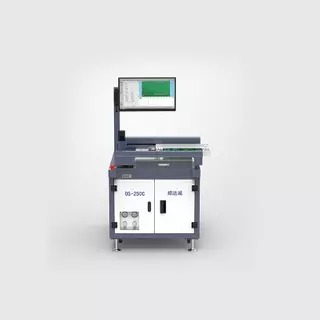
Understanding Selective Soldering Process Control Fundamentals
What Defines Process Control in Selective Soldering
Process control in selective soldering refers to the precise regulation of all variables involved in forming a solder joint. Unlike manual soldering, where results depend heavily on operator skill, modern systems rely on programmed paths, sensor feedback, and automation.
A selective wave soldering machine uses controlled parameters such as temperature, dwell time, and nozzle positioning. Each parameter directly affects joint quality. By standardizing these variables, manufacturers can ensure consistent output across different batches.
This level of control also allows for repeatable results in complex assemblies. Once a process is optimized, it can be reused without variation, which is essential for industries requiring high reliability.
Core Workflow Inside a Selective Wave Soldering Machine
The workflow typically includes three stages: flux application, preheating, and localized soldering. Each stage builds on the previous one.
● Flux is applied precisely to target areas, cleaning surfaces and preparing them for soldering.
● Preheating activates the flux and stabilizes the board temperature.
● The soldering stage uses a mini-wave nozzle to create controlled joints.
Each step must be synchronized. If one stage is off, it affects the final result. That is why modern machines integrate all stages into a single controlled system.
Why Precision Matters for Mixed-Technology PCBs
Modern PCB designs are becoming more compact and functionally dense. They often integrate both through-hole and surface-mount components on the same board. This combination increases performance, but it also raises strict requirements for thermal control during soldering. Selective soldering addresses this by applying heat only where it is needed, helping protect sensitive areas while maintaining high assembly quality.
Key Aspect
Description
Mixed Component Design
Combines through-hole and SMT components on a single board
Heat Sensitivity of SMT
SMT components can be easily damaged by excessive or uneven heat
Localized Soldering
Heat is applied only to targeted joints using selective soldering
Design Flexibility
Enables tighter layouts and closer component placement
Industry Requirements
Used in automotive and medical electronics where reliability is critical
This level of precision helps manufacturers maintain consistent quality across complex assemblies. It also supports advanced applications where performance and reliability cannot be compromised.
Critical Process Parameters in Selective Wave Soldering Machine Control
Flux Application Accuracy and Control
Flux plays a key role in ensuring proper wetting and strong joints. In selective soldering, it must be applied only to specific areas. Too much flux leads to residue, while too little causes poor bonding.
Modern selective wave soldering machines use micro-drop jet or precision spray systems. These methods allow accurate targeting of individual pins. This reduces contamination and improves process cleanliness.
Consistency in flux volume is equally important. Even small variations can affect joint quality across a production run.
Preheating Profile Optimization
Preheating prepares the PCB for soldering by gradually raising its temperature. This step activates the flux and reduces thermal stress.
Closed-loop systems monitor temperature in real time. They adjust heating to maintain uniform conditions across the board. A controlled ramp-up rate prevents warping and component damage.
Uniform preheating also ensures that solder flows evenly during the next stage. Without it, joints may form inconsistently.
Solder Temperature and Dwell Time Management
Solder temperature and contact time must be carefully balanced. Typical solder temperatures range from 260°C to 300°C, depending on the alloy used.
Dwell time, usually between 3 and 5 seconds, determines how long the joint is exposed to molten solder. Too short, and the solder may not fully fill the hole. Too long, and it may damage components.
A well-calibrated selective wave soldering machine maintains both parameters precisely, ensuring optimal joint formation.
Nozzle Design, Positioning, and Motion Control
In selective soldering, the nozzle acts as the core tool that directly interacts with each solder joint. Its design, positioning, and movement must work together to ensure precise solder delivery. Any variation in these factors can affect consistency, especially when working on complex or densely populated PCBs.
Key Factor
Impact on Soldering Quality
Nozzle Design
Ensures proper solder coverage and fit
Nozzle Positioning
Prevents defects and protects components
Motion Control
Maintains consistency across all joints
Solder Delivery
Improves joint uniformity and reliability
Together, these elements ensure that solder is applied accurately and consistently. This helps maintain high-quality results across complex PCB assemblies.
Nitrogen Environment Control for Oxidation Prevention
Oxidation can reduce solder quality and lead to weak joints. To prevent this, many systems use a nitrogen atmosphere.
Nitrogen reduces oxygen levels around the soldering area. This improves wetting and results in cleaner, stronger joints. It is especially important when working with lead-free solder.
Note: Using nitrogen is particularly effective in high-reliability applications where joint integrity is critical.
Process Profiling and Repeatability in Selective Soldering
Creating Optimized Soldering Profiles for Each PCB
Each PCB design requires a unique soldering profile. This profile defines parameters such as temperature, speed, and dwell time.
Engineers typically run test cycles to determine optimal settings. Once finalized, these profiles can be stored and reused. This ensures consistent performance across production runs.
Customized profiling also allows manufacturers to adapt to different board designs without compromising quality.
Data Monitoring and Closed-Loop Feedback Systems
Modern selective wave soldering machines include sensors that monitor process variables in real time. These systems detect deviations and adjust parameters automatically.
Closed-loop control improves stability and reduces the need for manual intervention. It also helps maintain consistent quality over long production cycles.
Advanced systems, including those developed by Sundarc, integrate these features to enhance precision and reliability.
Balancing Speed and Precision in Production
Production efficiency depends on finding the right balance between speed and accuracy. Faster processing increases throughput, but it must not compromise quality.
By optimizing motion paths and process parameters, manufacturers can achieve both. Automation plays a key role in maintaining this balance.
Quality Assurance and Inspection Best Practices
Key Indicators of High-Quality Solder Joints
A high-quality joint shows proper hole fill and a smooth fillet shape. It should appear shiny and uniform, without defects such as voids or cracks.
We often use measurable criteria to evaluate quality. These standards help ensure consistency across production lines.
Quality Indicator
Description
Expected Result
Hole Fill
Amount of solder inside the hole
≥75% fill
Fillet Shape
Surface appearance of the joint
Smooth, concave
Surface Finish
Visual condition
Shiny, no cracks
Inline and Post-Process Inspection Methods
Inspection can be performed during or after the soldering process. Inline systems allow real-time monitoring, helping operators detect issues early in production. Post-process inspection focuses on verifying final joint quality before the product moves forward.
Automated Optical Inspection (AOI) is commonly used to detect defects. It provides fast and accurate analysis, reducing the need for manual checks and improving inspection efficiency. These systems can quickly identify issues such as bridging, insufficient solder, or misalignment.
Combining both methods improves overall reliability and ensures better quality control throughout the process.
Maintaining Consistency Across High-Volume Production
Consistency is critical in large-scale manufacturing environments. Standardized procedures and clearly defined inspection criteria help maintain uniform quality across batches.
Regular calibration of equipment ensures that process parameters remain stable over time. This reduces variation, minimizes defects, and improves overall production yield while maintaining long-term process reliability.
Equipment Maintenance for Stable Process Control
Routine Maintenance of Selective Wave Soldering Machines
Regular maintenance is essential for consistent performance. This includes cleaning nozzles, removing oxidation, and checking system calibration. Nozzle cleanliness directly affects solder flow. Any blockage or contamination can lead to defects. Keeping the solder pot free from oxidation ensures stable temperature and flow characteristics.
Preventive Maintenance Strategies
Preventive maintenance involves scheduled checks and servicing. It helps identify potential issues before they affect production. High-performance systems, such as Sundarc selective wave soldering machines, benefit from structured maintenance plans. These plans extend equipment life and maintain accuracy.
Tip: Establish a maintenance log to track cleaning cycles, calibration, and performance trends.
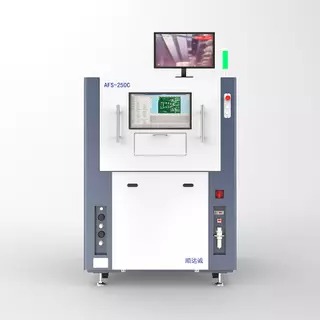
PCB Design Considerations for Better Process Control
Designing for Nozzle Accessibility and Clearance
PCB design plays a major role in process success. Adequate spacing between components allows the nozzle to access target areas. Designers should consider nozzle size and movement when planning layouts. Proper clearance reduces the risk of errors.
Layout Optimization to Prevent Defects
Optimized layouts minimize issues such as solder bridging. Proper spacing and alignment help ensure clean joints. Design guidelines should be followed during the early stages of development. This reduces the need for adjustments later.
Aligning Design with Selective Soldering Capabilities
Design and process must work together. By aligning PCB design with the capabilities of the selective wave soldering machine, manufacturers can achieve better results. Early collaboration between design and manufacturing teams improves efficiency and quality.
Note: Designing with process control in mind reduces rework and improves first-pass yield.
Conclusion
Selective soldering process control ensures stable and reliable PCB assembly in modern manufacturing. By carefully managing flux, temperature, and nozzle movement, we can achieve consistent solder joint quality across complex boards. This level of control helps reduce defects and supports high production standards. A modern selective wave soldering machine provides the precision and automation needed for these tasks. When combined with proper profiling, inspection, and maintenance, it creates a complete and efficient production solution. It also allows manufacturers to handle dense and mixed-technology designs more effectively.
Dongguan Sundarc Automation Technology Co., Ltd. offers advanced selective soldering equipment designed for accuracy and stability. Their systems help improve efficiency, ensure repeatability, and deliver strong performance across demanding industries.
FAQ
Q: What is selective soldering process control?
A: It refers to managing key variables like flux, temperature, and motion to ensure consistent solder joints. A selective wave soldering machine helps automate and stabilize these parameters.
Q: How does a selective wave soldering machine improve quality?
A: It uses precise control of nozzle movement and heat. This ensures uniform solder flow and reduces defects across complex PCB assemblies.
Q: Why is preheating important in selective soldering?
A: Preheating activates flux and reduces thermal shock. It helps solder flow evenly and protects components from sudden temperature changes.
Q: How do you optimize a selective wave soldering machine process?
A: You create specific profiles for each PCB design. This includes adjusting temperature, dwell time, and nozzle speed for best results.
Q: What are common issues in selective soldering and how to fix them?
A: Issues include poor wetting or solder bridging. Adjusting flux amount, temperature, or nozzle speed in the selective wave soldering machine can solve these problems.
Q: How much does a selective wave soldering machine cost?
A: Costs vary based on features and automation level. Advanced systems offer better precision and long-term efficiency, making them a valuable investment.


