

- HomeProducts
-

Can A Selective Wave Soldering Machine Handle Many Product Variants?
Views: 0 Author: Site Editor Publish Time: 2025-10-10 Origin: Site


Modern electronics production is defined by diversity — from custom automotive control boards to medical devices, every project brings a new PCB size, layout, and component mix. Managing these multiple variants within tight production schedules is a daily challenge for manufacturers. That’s where the selective wave soldering machine from Dongguan Sundarc Automation Technology Co., Ltd. offers a game-changing solution. Designed for high-mix, low-volume operations, it delivers precise, programmable soldering without costly retooling or manual intervention. By combining advanced automation, adaptive software, and modular hardware, Sundarc’s system ensures that even the most complex production lines stay flexible, consistent, and efficient. Let’s explore how multi-variety selective wave soldering can keep your production running smoothly across every product type.
What “Multi-Variety” Production Really Demands from Soldering
When a single line must handle dozens of product types, flexibility and repeatability become non-negotiable. Multi-variety production doesn’t just mean different board designs—it means constant adjustments in materials, dimensions, and assembly priorities.
Common Shop-Floor Challenges
In a multi-variant environment, frequent changeovers can disrupt production flow. Operators must adapt fixtures, flux settings, and soldering paths for each board type. Board sizes may range from compact modules to large, power-dense designs. Many assemblies combine SMT and THT components, increasing the complexity of solder access and heat management. Without automation and smart programming, changeovers can result in extended downtime and uneven quality.
Quality Risks to Watch For
Variety also amplifies quality risks. Inconsistent nozzle movement, incorrect preheating, or excess solder volume can easily cause bridging, solder balling, or cold joints. Even slight variations between PCB designs can make manual soldering error-prone. Multi-variety operations need not only flexible hardware but also intelligent process control to maintain uniformity across every batch.
How a Selective Wave Soldering Machine Addresses Variety
Selective wave soldering technology was developed precisely to tackle this kind of diversity. Its process architecture enables precise, repeatable soldering on mixed assemblies without the need for full wave baths or fixed tooling.
The process begins with flux spraying, where the machine deposits flux only in target zones defined by the program. This ensures efficient material use and prevents contamination of surrounding areas. Next comes targeted preheating, allowing each board section to reach the optimal temperature for solder wetting, regardless of copper mass or component density.
Finally, programmable selective soldering heads deliver solder exactly where it’s needed. By adjusting nozzle diameter, height, and travel speed, the system can adapt to through-hole connectors, pin headers, or high-current terminals. Some systems feature dual or multi-nozzle configurations, allowing simultaneous soldering of multiple joints for faster throughput.
For multi-variety selective wave soldering, the ability to load pre-stored profiles, adjust parameters automatically, and run different programs back-to-back means manufacturers can produce varied PCBs on one line—no manual recalibration or downtime required. This automation capability transforms the traditional soldering process into a dynamic, data-driven operation that scales easily as product complexity grows.
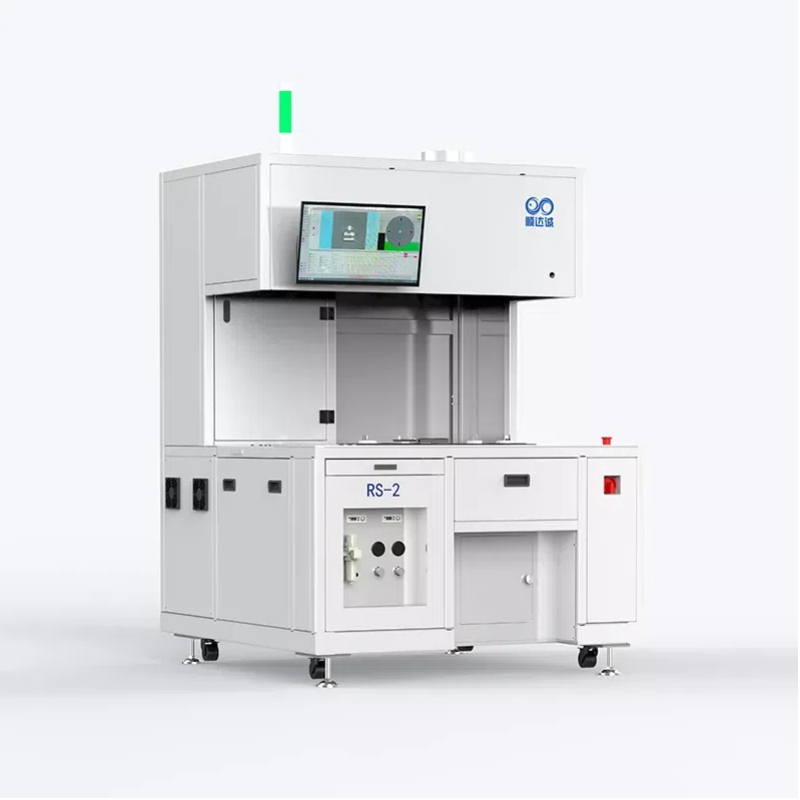
Key Machine Features to Ask for When You Run Many Variants
If your facility handles numerous board designs, the right machine configuration can make all the difference. Here are the features production managers and line engineers should prioritize when evaluating selective wave systems.
1. Modular nozzle and quick-change systems
A quick-release nozzle system minimizes downtime between product variants. Swapping from a fine jet to a larger nozzle for heavier joints should take minutes, not hours.2. CAD/offline programming
Offline path programming allows process engineers to prepare soldering routes directly from PCB CAD data. It saves valuable line time and enables faster setup of new products.3. Multi-head options
Machines equipped with multiple solder pots or nozzles can process two or more boards in parallel, ideal for factories managing both large and small assemblies on the same line.4. Fixture flexibility
A flexible or universal clamping system accommodates different PCB sizes and thicknesses. Magnetic or modular fixtures allow quick switching between models.5. Recipe storage and retrieval
A digital library of soldering profiles—flux amount, preheat time, nozzle speed—lets operators switch between jobs instantly and maintain process consistency.6. Camera and vision support
Built-in cameras assist with alignment, nozzle positioning, and post-solder inspection, ensuring accuracy across multiple product types and minimizing rework.Dongguan Sundarc Automation Technology Co., Ltd. integrates all these elements into its selective wave soldering equipment, helping manufacturers handle complex product portfolios without losing efficiency.
Practical Line Layout and Workflow Tips for Mixed Runs
Technology alone isn’t enough. Effective multi-variety production also depends on how your line is organized and managed.
Short-fixture concepts
Instead of using long, dedicated carriers, short fixtures for each product type simplify handling and storage. They can be swapped out quickly when the product changes, maintaining throughput.Recipe naming conventions
Adopt a clear naming structure—include product codes, revision numbers, and date stamps—so operators always load the correct soldering program.Operator checklists
Develop simple pre-run checklists covering flux level, nozzle calibration, and vision system readiness. When product types change frequently, these routines prevent costly errors.Structured daily production blocks
Group similar boards together in time blocks, allowing efficient use of preheater and flux systems. For example, run all small-form-factor boards in the morning and larger boards in the afternoon. This structured scheduling balances efficiency and flexibility.Sundarc’s selective wave soldering machines complement these workflow practices with user-friendly interfaces and automated diagnostics, giving teams confidence when switching from one variant to another. Combined with data logging and process tracking, managers can analyze cycle time, temperature consistency, and solder quality trends—turning variety into measurable productivity.
Quick Specification Checklist: What to Validate During a Demo
When evaluating systems, don’t just rely on brochure claims. A live demo can reveal how well a machine truly supports your variety needs. Here’s a brief checklist for your reference:
Throughput range: Can the system maintain speed and quality during frequent changeovers?
Board size limits: Verify minimum and maximum board dimensions, especially if your product mix includes both compact and large assemblies.
Fluxer type: Compare drop-jet versus spray systems; the latter provides better coverage control for fine-pitch boards.
Preheater type: Check whether the machine uses convection, infrared, or a hybrid system to suit your board materials.
Program import: Ensure seamless import from CAD/CAM or existing soldering data.
Maintenance access: Look for easy-access design that reduces downtime during nozzle cleaning or pot replacement.
During demonstrations, ask the supplier to run two or more product types consecutively without manual intervention—this will quickly reveal whether the system truly supports flexible, multi-variety operation.
Conclusion
Managing multiple PCB types no longer needs to mean multiple soldering setups. With the multi-variety selective wave soldering solutions from Dongguan Sundarc Automation Technology Co., Ltd., manufacturers can streamline mixed production, maintain top-tier quality, and maximize equipment uptime. Our systems bring together precise flux spraying, targeted preheating, and intelligent soldering control to make your line adaptable to whatever the next order demands.
To see how our advanced soldering technology performs across different product variants, contact us today to schedule a live demonstration or request detailed specifications. Discover how Sundarc can make your next production run smoother, faster, and more flexible.


