

- HomeProducts
-

What Is A Selective Wave Soldering Machine And How Does It Work?
Views: 0 Author: Site Editor Publish Time: 2025-06-09 Origin: Site


Introduction
In the dynamic world of electronic manufacturing, precision and efficiency are paramount. As devices become more compact and complex, the need for advanced soldering techniques has grown exponentially. One such innovation that has revolutionized the industry is the selective wave soldering machine. This technology offers a high degree of accuracy in soldering components on printed circuit boards (PCBs), making it indispensable for modern manufacturing processes. This article delves into the intricacies of selective wave soldering machines, exploring their functionality, applications, and the advantages they bring to industries such as LED lighting soldering.
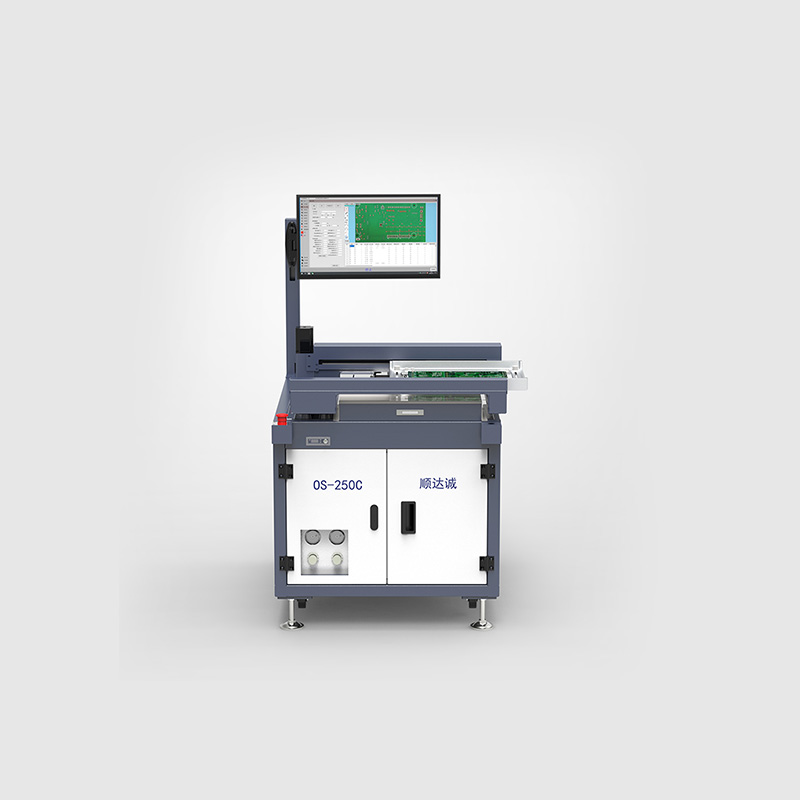
Understanding Selective Wave Soldering Machines
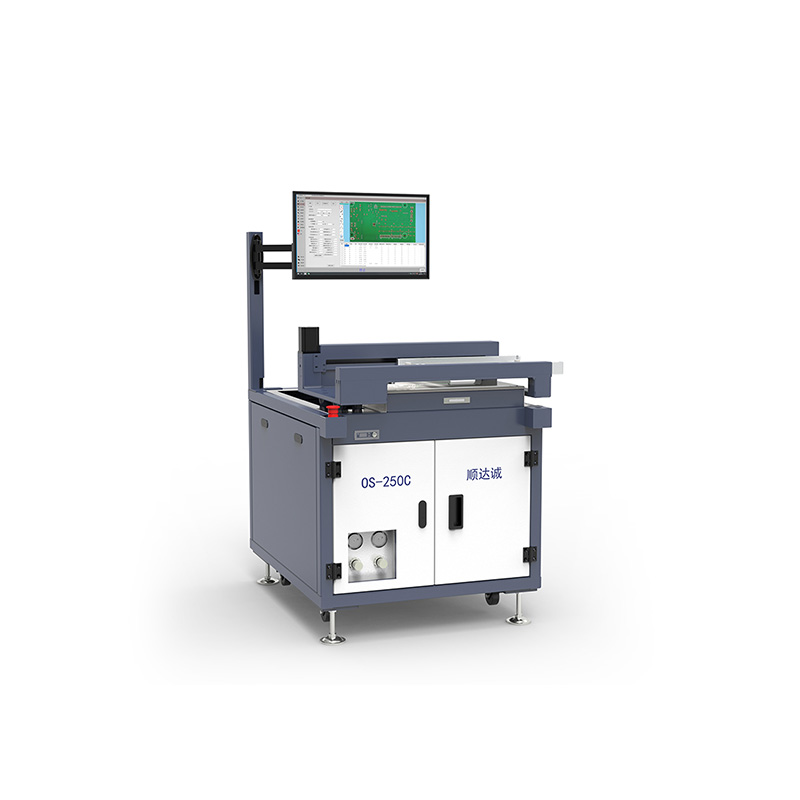
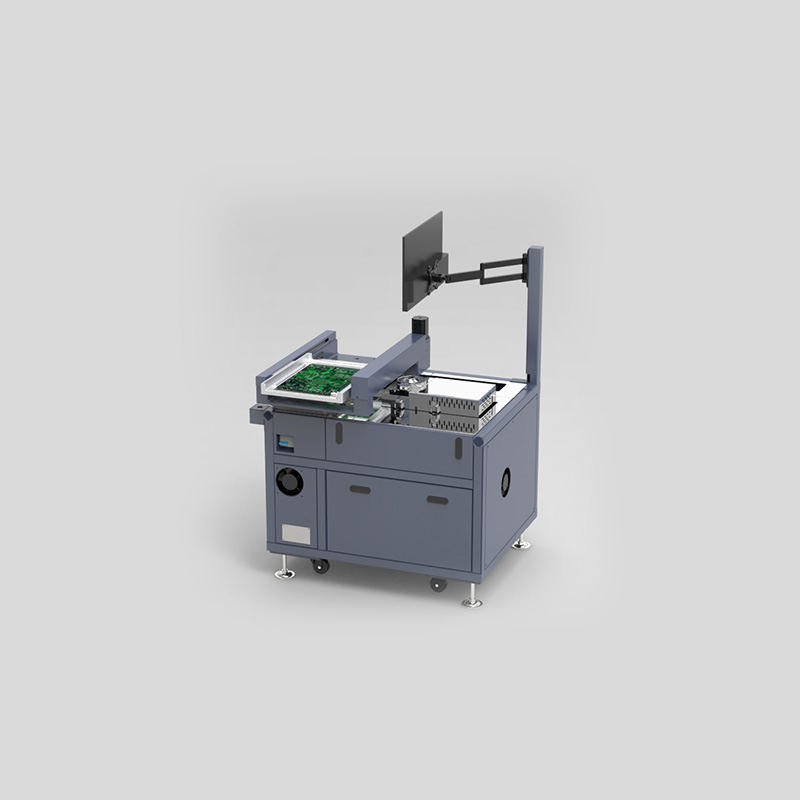
Selective wave soldering machines are specialized equipment designed to solder specific areas of a PCB. Unlike traditional wave soldering, which exposes the entire board to molten solder, selective soldering targets individual solder joints. This precision minimizes thermal stress on components and reduces the risk of solder bridging and other defects.
The Need for Precision in Modern Electronics
As electronic devices shrink in size, the components packed onto PCBs become increasingly dense. Surface-mount technology (SMT) components and through-hole components often coexist on the same board, necessitating a soldering solution that can handle both without compromising on quality. The selective soldering process provides this solution by allowing manufacturers to apply solder only where it's needed.
Key Components of a Selective Wave Soldering Machine
A typical selective wave soldering machine consists of several critical components that work in tandem to achieve precise soldering:
1. Flux Application System: This system selectively applies flux to the designated solder joints. Accurate flux application is crucial for preventing oxidation and ensuring proper solder flow.
2. Preheating Zone: Preheating gradually raises the temperature of the PCB to prevent thermal shock. It helps in activating the flux and preparing the solder joints for the soldering process.
3. Soldering Mechanism: Equipped with a solder pot and nozzles, this mechanism delivers molten solder precisely to the targeted areas. The nozzles can be programmed to accommodate various PCB designs.
4. Conveyor System: High-precision conveyors move the PCB through different stages of the process. They ensure stable positioning, which is vital for accurate soldering.
5. Control Software: Advanced software allows operators to program soldering parameters, including temperature profiles, flux quantity, and soldering speed. This customization enhances the machine's versatility.How Does a Selective Wave Soldering Machine Work?
The operation of a selective wave soldering machine involves several meticulously controlled steps, each integral to achieving high-quality solder joints.
Step 1: Flux Application
The process begins with the fluxing stage, where flux is applied only to the solder joints that require it. The selective application prevents unnecessary exposure of flux to other components, reducing the potential for corrosion and contamination.
Step 2: Preheating
After flux application, the PCB moves into the preheating zone. Preheating serves multiple purposes: it activates the flux, reduces thermal shock to the components by gradually increasing the temperature, and helps in achieving proper solder wetting. Controlled preheating is essential for maintaining the integrity of sensitive components, especially in applications like LED lighting soldering, where components are sensitive to temperature variations.
Step 3: Soldering
In the soldering stage, the machine uses a programmable nozzle to apply molten solder to specific joints. The solder pot maintains the solder at an optimal temperature, ensuring consistent flow. The precision of the nozzle's movement, controlled by the machine's software, allows for accurate solder deposition without affecting adjacent components.
Step 4: Cooling
Once soldering is complete, the PCB enters a cooling phase. Controlled cooling solidifies the solder joints without introducing thermal stress, which can cause micro-cracks or other defects. Proper cooling ensures the durability and reliability of the solder connections.
Applications in LED Lighting Soldering
The rise of LED technology in lighting has placed new demands on soldering methods. LEDs are highly sensitive to heat, and excessive thermal exposure can significantly reduce their lifespan and performance. The selective wave soldering machine addresses this challenge by providing localized heating and soldering. This precision minimizes thermal stress on the LEDs and associated components.
Moreover, LED lighting systems often involve complex PCB designs with a mix of components. Selective soldering allows manufacturers to achieve reliable solder joints on these intricate assemblies. The ability to program soldering parameters for different components ensures optimal solder joint quality across the entire PCB.
Advantages of Using Selective Wave Soldering Machines
Integrating selective wave soldering machines into the manufacturing process offers several significant advantages:
Enhanced Precision and Quality
By targeting only the required solder joints, selective soldering minimizes the risk of defects such as solder bridging and shorts. The precise application of solder and controlled heating profiles result in high-quality, reliable solder joints essential for the performance of electronic devices.
Reduced Thermal Stress
The localized heating inherent in selective soldering protects heat-sensitive components. This is particularly important in applications like LED lighting soldering, where excessive heat can degrade component performance. By reducing thermal stress, manufacturers can ensure product longevity and reliability.
Flexibility and Efficiency
Selective wave soldering machines offer unparalleled flexibility. They are easily programmable to accommodate different PCB layouts and component types without the need for custom tooling or masks. This adaptability reduces setup times and increases production efficiency, especially in small to medium-sized production runs.
Cost Savings
While the initial investment in selective soldering equipment is significant, the long-term cost savings are substantial. Reduced defects mean less rework and scrap, and the efficiency gains translate to lower labor costs. Additionally, the precision of the process reduces the consumption of solder and flux materials.
Compliance with Environmental and Safety Standards
Selective soldering minimizes the amount of flux and solder used, leading to fewer emissions of volatile organic compounds (VOCs) and other pollutants. This reduction aids manufacturers in complying with environmental regulations and improves workplace safety by reducing exposure to hazardous substances.
Technological Advancements and Future Trends
The field of selective soldering continues to evolve with technological advancements aimed at further improving precision and efficiency. Innovations such as inline process monitoring, real-time data analytics, and machine learning algorithms are being integrated into selective wave soldering machines. These enhancements enable predictive maintenance, process optimization, and greater automation.
Additionally, the demand for miniaturization and the Internet of Things (IoT) devices is driving the need for even more precise soldering solutions. The ability of selective soldering machines to handle increasingly complex and tiny components positions them as vital tools for future electronic manufacturing.
Conclusion
The selective wave soldering machine represents a significant advancement in electronic manufacturing technology. By combining precision, efficiency, and adaptability, it addresses the challenges posed by modern PCB assemblies. Industries such as LED lighting soldering, where component sensitivity and complex designs are prevalent, particularly benefit from this technology.
As the demand for smaller, more powerful electronic devices continues to grow, the role of selective soldering will become even more prominent. Manufacturers who adopt this technology position themselves at the forefront of innovation, ready to meet the evolving needs of the market with high-quality, reliable products.


